Murray Bookchin
Le municipalisme libertaire
Une nouvelle politique communale?
Commenté par Yohann Sparfell
Ex: http://www.in-limine.eu
(Ces commentaires ne visent pas à établir une position de rejet ou d'adoption absolue vis à vis des présupposées et propositions concernant le municipalisme libertaire mais à les considérer à la lumière d'une pensée métapolitique actuelle influencée par plusieurs sources: critique de la valeur, réflexions et actions du socialisme patriote et révolutionnaire, théorie althusienne de la souveraineté (Althusius)... Ils visent surtout à inciter à développer l'intérêt pour les communes en tant que lieux multidimentionnels d'élaboration possible de relations sociales alternatives, non à partir d'un devoir-être utopique, mais d'actions concrètes qui seraient à même de pouvoir redéfinir notre rapport à l'être).
Les deux sens du mot "politique"
Il existe deux manières de comprendre le mot politique. La première et la plus répandue définit la politique comme un système de rapports de pouvoir géré de façon plus ou moins professionnelle par des gens qui s'y sont spécialisés, les soi-disant "hommes politiques". Ils se chargent de prendre des décisions qui concernent directement ou indirectement la vie de chacun d'entre nous et ils administrent ces décisions au moyen des structures gouvernementales et bureaucratiques.
Ces "hommes politiques" et leur "politique" sont habituellement considérés avec un certain mépris par les gens ordinaires. Ils accèdent le plus souvent au pouvoir à travers des entités nommées "partis", c'est-à-dire des bureaucraties fortement structurées qui affirment "représenter" les gens, comme si une seule personne en "représentait" beaucoup d'autres, considérées comme de simples "électeurs". En traduisant une vieille notion religieuse dans le langage de la politique, on les appelle des élus et ils forment en ce sens une véritable élite hiérarchique. Quiconque prétend parler au nom des gens n'est pas les gens. Lorsqu'ils affirment qu'ils sont leurs représentants, ils se placent eux-mêmes en-dehors de ceux-ci. Souvent, ce sont des spéculateurs, des représentants des grandes entreprises, des classes patronales et de lobbies en tout genre.
Souvent aussi, ce sont des personnages très dangereux, parce qu'ils se conduisent de façon immorale, malhonnête et élitiste, en utilisant les média et en répandant des faveurs et des ressources financières pour établir un consensus public autour de décisions parfois répugnantes et en trahissant habituellement leurs engagements programmatiques au "service" des gens. Par contre, ils rendent ordinairement de grands services aux couches financièrement les mieux nanties, grâce auxquelles ils espèrent améliorer leur carrière et leur bien-être matériel.
Cette forme de système professionnalisé, élitiste et instrumentalisé appelé ordinairement politique est, en fait, un concept relativement neuf. Il est apparu avec l'État-nation, il y a quelques siècles, quand des monarques absolus comme Henry VIII en Angleterre et Louis XIV en France ont commencé à concentrer entre leurs mains un énorme pouvoir.
Avant la formation de l'État-nation, la politique avait un sens différent de celui d'aujourd'hui. Elle signifiait la gestion des affaires publiques par la population au niveau communautaire ; des affaires publiques qui ne sont qu'ensuite devenues le domaine exclusif des politiciens et des bureaucrates. La population gérait la chose publique dans des assemblées citoyennes directes, en face-à-face, et élisait des conseils qui exécutaient les décisions politiques formulées dans ces assemblées. Celles-ci contrôlaient de près le fonctionnement de ces conseils, en révoquant les délégués dont l'action était l'objet de la désapprobation publique.
Mais en limitant la vie politique uniquement aux assemblées citoyennes, on risquerait d'ignorer l'importance de leur enracinement dans une culture politique fertile faite de discussions publiques quotidiennes, sur les places, dans les parcs, aux carrefours des rues, dans les écoles, les auberges, les cercles, etc. On discutait de politique partout où l'on se retrouvait, en se préparant pour les assemblées citoyennes, et un tel exercice journalier était profondément vital. À travers ce processus d'autoformation, le corps citoyen faisait non seulement mûrir un grand sens de sa cohésion et de sa finalité, mais il favorisait aussi le développement de fortes personnalités individuelles, indispensables pour promouvoir l'habitude et la capacité de s'autogérer. Cette culture politique s'enracinait dans des fêtes civiques, des commémorations, dans un ensemble partagé d'émotions, de joies et de douleurs communes, qui donnaient à chaque localité (village, bourg, quartier ou ville) un sentiment de spécificité et de communauté et qui favorisait plus la singularité de l'individu que sa subordination à la dimension collective.
Commentaires : Lorsque Murray Bookchin écrivait que les « politiques » « rendent de grands services aux couches financièrement les mieux nantis » (ce qui est totalement exact si l'on se réfère par exemple à la démonstration qui a été faite il y a quelques temps de la façon dont la classe politique s'est constamment tut sur les agissements d'organismes financiers internationaux comme Clearstreem), il ne faisait que décrire un phénomène qui plonge ses racines en une cause bien plus profonde et inhérente à la structure sociale fondée par le capitalisme. Les relations sociales d'accointances entretenues avec la classe néo-bourgeoise post-moderne, la « Nouvelle Classe », par les « politiques » (par intérêts ou par nécessités, les « politiques » menées par ces derniers ne pouvant l'être qu'à condition que leur soit consacré une part du capital issue de la circulation de celui-ci) sont le voile qui cache des rapports sociaux de quasi-asservissement vis à vis de la dynamique sociale de production des multinationales auto-entretenue par la recherche incessante de valorisation du Capital. En effet, les institutions étatiques par delà le fait qu'elles autorisent à une classe dirigeante et bureaucratique de bénéficier grassement de la manne engendrée par le cycle de valorisation, permet surtout au capitalisme, pseudo-société structurée autour de la valorisation des capitaux, de trouver en ces institutions les instruments indispensables à son bon fonctionnement et sa pérennisation. C'est en cela que l'on peut déclarer que la création de l'État-Nation moderne et le rôle particulier des rapports sociaux qu'il entretient depuis son avènement, sont historiquement déterminés par la dynamique sociale caractérisant un type original de production : le capitalisme. C'est la raison pour laquelle cette forme étatique a progressivement élaboré, et maintient, les structures organisationnelles nécessaires au fonctionnement des rapports sociaux de production au sein des différentes sphères de la production, de la distribution et de la circulation : la définition et le respect du droit juridique des individus (la garantie du droits des individus « libres et égaux », les individus « atomisés ») appelé « droits-de-l'homme » déconnectés de ceux du « citoyen », la formation adéquates des savoirs aux normes d'efficacité en vigueur, la mise en œuvre des infrastructures et organismes nécessaires à la circulation des individus-producteurs-consommateurs, des marchandises et des capitaux, le développement des moyens de production (recherche techno-scientifique, …), l'éducation adaptée au strict minimum dans le but d'adapter le jeune individu à la « pensée unique », etc… La machinerie étatique a en outre pour fonction d'adapter ses différents attributs aux besoins contextuels du capital. C'est ainsi que l'État a pu se parer d'une certaine religiosité en s'adjoignant le terme de « Providence » (dans les moments où le capitalisme a besoin de l'assistance des moyens publiques afin d'accompagner la croissance de sa productivité – keynésianisme des trente glorieuses – ou de combler les pertes dues à ses « errements » financiers, en fait émanant de nécessité immanentes au contexte particulier de sa fin de règne peu glorieuse – crise de 2008), ou renforcer son rôle régalien tout en permettant aux capitaux d'organiser eux-même, afin de trouver de nouvelles mannes, ce qui était autrefois de ses attributions, dans un cycle de dérégulation et de libéralisation autoritaire (mais dans les deux cas, il conserve toujours le rôle de faciliter l'ouverture à de nouveaux marchés pour le Capital, par exemple par le biais des normes en tous domaines lui fournissant prétexte à taxes, contrôles et contraintes ou bien par une privatisation rampantes et juteuse de diverses assurances dont personne aujourd'hui ne pourrait se passer, comme de la retraite par exemple). Dépasser la logique de la valeur implique donc forcément dépasser l'État dans sa forme moderne – voire postmoderne dans son rôle d'accompagnateur servile du diktat mondialiste et réduit à ses fonctions de surveillance et de répression - car l'un comme l'autre sont des éléments structurels de l'économisme et de ses règles qui dominent les hommes et leurs rapports sociaux mais aussi bien sûr les communautés, familiales, régionales, nationales et continentales. On peut d'ailleurs s'en apercevoir par un aspect de plus en plus prenant de l'économisme et de l'État auquel M Bookchin faisait souvent référence : la centralisation croissante ainsi que l'uniformisation des modes de vie et de pensée qui lui est consubstantiel, et qui pourtant apparaissent sous des formes de décentralisations politiques et de « libertés » individuelles, fortement illusoires, parce que déconnectées de toute co-création collective.
Il est bien entendu qu'une dynamique de renversement de ce paradigme auto-destructeur ne peut, à moins d'hypothéquer gravement sa réussite éventuelle, songer à établir une étape de transition étatisée concentrant en elle l'ensemble de la souveraineté comme cela s'est fait lors de la révolution soviétique, ou autres, c'est-à-dire une continuité d'une interprétation bodinienne (Jean Bodin, jurisconsulte français du XVIème siècle) de la souveraineté. Un mouvement de « communalisme », dans le sens où il se veut être une dynamique de renversement des valeurs que l'on peut appeler « occidentales », se doit de pouvoir repositionner la souveraineté actuellement concentrée au sein des États modernes vers les peuples eux-mêmes et leurs diverses corporations imbriquées, et donc influer positivement sur - pour ne pas dire aussi renverser - les rapports sociaux, qui sont les vecteurs de leur pérennisation, par des relations humaines associatives préfigurant un tout autre type d'organisation de la société basée sur une responsabilité directe et partagée (non médiatisées par des catégories aliénantes). La dynamique sociale partirait donc de la base, de la source inépuisable du besoin de complémentarité humaine en tous les domaines de la vie, à commencer par celui de la fourniture de tout ce qui est nécessaire à la pérennité de la vie humaine, tant matérielle que morale et spirituelle. Il s'agirait en somme de redynamiser la « volonté vers la puissance », figure narrative de la dynamique symbiotique et autonome de la vie elle-même.

Murray Bookchin
Un écosystème politique
Une politique de ce genre est organique et écologique et non formelle ou fortement structurée (dans l'acception verticale du terme) comme elle le deviendra par la suite. Il s'agissait d'un processus constant et non d'un épisode occasionnel comme les campagnes électorales. Chaque citoyen mûrissait individuellement à travers son propre engagement politique et grâce à la richesse des discussions et des interactions avec les autres. Le citoyen avait le sentiment de contrôler son destin et de pouvoir le déterminer, plutôt que d'être déterminé par des personnes et des forces sur lesquelles il n'exerçait aucun contrôle. Cette sensation était symbiotique : la sphère politique renforçait l'individualité en lui donnant un sentiment de possession et, vice versa, la sphère individuelle renforçait la politique en lui procurant un sentiment de loyauté, de responsabilité et d'obligation.
Dans un tel processus de réciprocité, le moi individuel et le nous collectif n'étaient pas subordonnés l'un à l'autre mais se soutenaient mutuellement. La sphère publique fournissait la base collective, le sol pour le développement de fortes personnalités et ceux-ci, à leur tour, se rassemblaient dans une sphère publique créative, démocratique, institutionnalisée de façon transparente. C'étaient des citoyens au plein sens du terme, c'est-à-dire des acteurs agissants de la décision et de l'autogestion politique de la vie communautaire, y compris l'économie, et non des bénéficiaires passifs de biens et de services fournis par des entités locales en échange d'impôts et de taxes. La communauté constituait une unité éthique de libres citoyens et non une entreprise municipale instituée par "contrat social".
Commentaires : Je ne pense pas qu'il faille voir dans cette vision d'une certaine forme de citoyenneté passée, de la part de Murray Bookchin, qu'une nostalgie d'un temps certes révolu mais surtout riche d'enseignements pour l'élaboration d'une véritable démocratie. Le souvenir des époques où des relations sociales d'un tout autre type que les rapports sociaux existant aujourd'hui structuraient la vie des communautés humaines s'évanouit sous les brumes de l'absolutisme ambiant, du sentiment d'une rationalité souveraine d'où émane une impression de « fin de l'Histoire » ou d'un triomphe sur les « obscurantismes » du passés. Des pans entiers de l'histoire sont ainsi maintenus cachés de la surprise qu'il y aurait alors à découvrir que l'homme est capable de bien autres choses que de courir après ses petits intérêts égoïstes. Ainsi est est-il allé de la mémoire des Enragés de 1792-93 à Paris et Lyon qui voulaient poursuivre la Révolution, et préparer la troisième révolution française, en pratiquant la démocratie directe et la résistance à la dictature du commerce au sein de comités de quartiers, ou de la Commune de Paris en 1871 qui fut un combat patriote en même temps que social pour ne pas dire socialiste selon le sens vrai de ce mot, ou encore de la révolution anarcho-syndicaliste en Espagne en 1936, surtout dans les petites communes... D'où l'importance de notre longue mémoire ! Dans ce qui peut paraître un éloge quelque peu idéaliste de formes politiques quasi-démocratiques du passé, il y a en fait matière à s'interroger sur les possibles que comportaient l'organisation sociale structurée autours de rapports directs (de « face à face »), d'une part en ce qui concerne la vie courante dans les sociétés non capitalistes, et d'autre part, en la puissance d'agir contenue en elles et qui peut les amener éventuellement à créer de façon contextuelle des dynamiques de renversement - d'un pouvoir indigne ou de droits injustes – et capables de redistribuer le pouvoir de façon plus autonome et juste par et pour l'ensemble des « citoyens » (ou de quelque façon que l'on nomme les personnes impliquées dans ce que l'on peut appeler la véritable politique, celle qui concerne la vie réelle, tangible, bien moins dominée par des abstractions pouvant menées jusqu'à l'aliénation). Il est sûr que ces relations sociales, structurant la société pré-capitalistes en Europe (et en Amérique lors des débuts de la colonisation), ont laissés des traces et des habitudes sociales chez les peuples de ces continents, parce qu'ils faisaient partis intégrantes de notre Culture Européenne depuis des millénaires. Murray Bookchin, comme beaucoup de sa génération, avait conservé le souvenir de cet habitus caractérisant la vie courante de la classe ouvrière et paysanne jusqu'au milieu du 20ème siècle. Je pense que cette évocation a guidé sa vie durant l'espoir d'un autre possible contenu au sein même de nos peuples de pouvoir fonder une réelle démocratie au-delà de la « démocratie » libérale. Il ne pouvait donc ignorer l'âpreté d'une telle démarche lorsqu'il faisait lui-même le constat d'une progression de l'individualisme dans « notre » société moderne. Peut-être lui restait-il à soumettre ce fait à la réalité de rapports sociaux réifiés dans la marchandise, à commencer par l'argent ? Et donc à situer l'origine de ces rapports en une dynamique folle d'auto-accumulation du capital prenant naissance dans le procès de production, la logique de la valeur, qu'il nous faudra bien interroger afin de pouvoir interpréter efficacement le rôle spécifique du travail salarié dans le paradigme de la société capitaliste et ses effets néfastes tant sur le plan humain que écologique (tout en y mettant au jour les rapports de pouvoir profitables à une certaine oligarchies internationale – la bourgeoisie n'a pas de Patrie !).
Ce qui est trop peu pressenti dans la démarche critique radicale (y compris de l'écologie radicale), c'est la fonction de l'économisme (et peut-être même de la technologie – ou techno-science - qui en est liée) en tant que telle dans la structuration des dominations caractérisant le monde capitaliste, la particularité des rapports sociaux qui lui sont immanents, et donc la spécificité historique de l'économie et de ses catégories au sein du monde capitaliste (travail salarié, capital, marchandise, valeur,...) introduisant logiquement un doute sérieux sur la possibilité d'un contrôle citoyen sur celle-ci (« ré-insérer l'économie dans le social »). L'économisme – la « science » économique - étant spécifique à la réalité sociale du capitalisme, c'est donc une autre forme de production-distribution des biens (d'échanges avec les hommes et la « nature ») qu'il nous faudra inventer afin de dépasser ce système destructeur et dé-structurant tout en étant bien conscient que l'on ne pourra faire abstraction de tous acquêts émanant de ce système (toutes techniques et formes d'indépendances individuelles introduites dans la vie sociale par le capitalisme). L'essence même de l'Écologie Sociale, en tant qu'expression possible d'un véritable socialisme – fédéraliste, c'est-à-dire relevant d'une prise de conscience de la réelle puissance de la vie sociale humaine organique, et enraciné -, devrait inciter à une raison supérieure mais non pas hégémonique, et une remise en cause du fétichisme de la marchandise ; sans pour autant vouloir immiscer une pensée fétichiste issue d'un passé idéalisé au sein d'une critique du monde moderne, ni pour autant vouloir annihiler toutes croyances de la vie sociale et personnelle à partir du moment où celles-ci puissent être interrogées et éventuellement remises en cause dans le principe de redynamisation d'une véritable autorité qui reste à redéfinir. Mais, comme le pensait M Bookchin, seule la constitution de relations sociales directs, ré-inventés, ré-élaborés plus ou moins consciemment, peut être à même de fournir la base d'un dépassement radicale du capitalisme, en s'appuyant sur une construction sociale publique : la commune, dans la mesure où ce que décrit ce terme puisse représenter à nos yeux non forcément un moyen actuel eu égard à la structuration des villes modernes, mais plutôt l'aboutissement d'une dynamique sociale d'émancipation du cycle d'effacement de nos identités sociales et culturelles, et rassemblant des hommes et des femmes autour des mêmes désirs collectifs et individuels de dépassement d'un état d'aliénation en un lieu donné à taille humaine. Et tout ceci en redécouvrant la force inhérente à la dynamique associative (les « Genossenschaften » althusiens). D'où l'importance d'appuyer sur le fait que « La communauté constituait une unité éthique de libres citoyens et non une entreprise municipale instituée par "contrat social" », car la puissance d'élaboration sociale inhérente au besoin de socialité contenu en chaque homme vrai du fait de son incomplétude ontologique, est consubstantielle à la double dynamique de constitution de l'individu-citoyen, c'est-à-dire enraciné dans ses communautés, et des institutions qui sont aptes à lui garantir la légitimité de sa recherche d'autonomie, institutions partant de la base et se dirigeant vers le sommet, celle du jus regni, de la pyramide de la souveraineté politique. Alors oui, nous pouvons bien parler de symbiose et non de « contrat social », car il n'est pas question d'ouvrir la scène aux délires d'un individu déraciné passant contrat avec d'autres êtres tout aussi psychotiques et soumis à l'avoir. Il n'est pas question de cette « horizontalité » là qui peine désormais à cacher sa soumission à un Nouvel Ordre Mondial destructeur des communautés réelles et charnelles. La souveraineté populaire ne peut tirer son existence que d'êtres enracinés dans leur réalités sociales et communautaires, dans leur culture et leurs espérances. La souveraineté n'existe que par la responsabilité, à chaque échelon de la vie sociale. À travers l'acceptation de cette notion de responsabilité, l'on se donne aussi la possibilité de redéfinir le droit, « le droit d'avoir des droits » Hannah Arendt, c'est-à-dire de lier celui-ci à la participation effective, citoyenne, à la vie commune. Nous n'avons pas des droits parce que nous sommes « citoyens » – en tant qu' « hommes » : inclusion inconditionnelle – mais nous devenons citoyens en obtenant des droits – en tant que membre d'une communauté à laquelle nous nous identifions et en laquelle nous participons.
La commune : un enjeu moderne
Il y a beaucoup de problèmes qui se posent à ceux qui cherchent à tracer les caractéristiques d'une intervention au niveau communal, mais, en même temps, les possibilités d'imaginer de nouvelles formes d'action politique, qui récupéreraient le concept classique de citoyenneté et ses valeurs participatives, sont considérables.
À une époque où le pouvoir des États-nations augmente, où l'administration, la propriété, la production, les bureaucraties et les flux de pouvoir et de capitaux tendent à la centralisation, est-il possible d'aspirer à une société fondée sur des options locales, à base municipale, sans avoir l'air d'utopistes inguérissables ? Cette vision décentralisée et participative n'est-elle pas absolument incompatible avec la tendance à la massification de la sphère publique ? La notion de communauté à l'échelle humaine n'est-elle pas une suggestion atavique d'inspiration réactionnaire qui se réfère au monde prémoderne (du genre de la communauté du peuple du nazisme allemand) ? Et ceux qui la soutiennent n'entendent-ils pas rejeter ainsi toutes les conquêtes technologiques réalisées au cours des différentes révolutions industrielles depuis deux siècles ? Ou encore, est-ce qu'une "société moderne" peut être gouvernée sur des bases locales à une époque où le pouvoir centralisé semble être une option irréversible ?
À ces questions à caractère théorique, s'en ajoutent beaucoup d'autres à caractère pratique. Comment est-il possible de coordonner des assemblées locales de citoyens pour traiter de questions comme le transport ferroviaire, l'entretien des routes, la fourniture de biens et ressources provenant de zones éloignées ? Comment est-il possible de passer d'une économie basée sur l'éthique du business (ce qui inclut sa contrepartie plébéienne : l'éthique du travail) à une économie guidée par une éthique basée sur la réalisation de soi au sein de l'activité productive ? Comment pourrions-nous changer les instruments de gouvernement actuels, notamment les constitutions nationales et les statuts communaux, pour les adapter à un système d'autogouvernement basé sur l'autonomie municipale ? Comment pourrions-nous restructurer une économie de marché orientée sur le profit et basée sur une technologie centralisée, en la transformant en une économie morale orientée sur l'homme et basée sur une technologie alternative décentralisée ? Et, de plus, comment toutes ces conceptions peuvent-elles confluer au sein d'une société écologique qui cherche à établir une relation équilibrée avec le monde naturel et qui veut se libérer de la hiérarchie sociale, de la domination de classe et sexiste et de l'homogénéisation culturelle?
La conception suivant laquelle les communautés décentralisées sont une sorte d'atavisme prémoderne, ou mieux antimoderne, reflète une incapacité à reconnaître qu'une communauté organique ne doit pas nécessairement être un organisme, dans lequel les comportements individuels sont subordonnés au tout. Cela relève d'une conception de l'individualisme qui confond individualité et égoïsme. Il n'y a rien de nostalgique ou de novateur dans la tentative de l'humanité d'harmoniser le collectif et l'individuel. L'impulsion à réaliser ces buts complémentaires (surtout en un temps comme le nôtre, où tous deux courent le risque d'une dissolution rapide) représente une recherche humaine constante qui s'est exprimée tant dans le domaine religieux que dans le radicalisme laïc, dans des expériences utopistes comme dans la vie citoyenne de quartier, dans des groupes ethniques fermés comme dans des conglomérats urbains cosmopolites. Ce n'est que grâce à une connaissance qui s'est sédimentée au fil des siècles qu'on a pu empêcher la notion de communauté de verser dans le grégarisme et l'esprit de clocher et celle d'individualité de verser dans l'atomisme.
Commentaires : La question de l'espace adéquate où puisse se déployer un agir à l'opposé du système marchant dominant les esprits et les actes, et en y associant de façon pérenne ses habitants, est une question à partir de laquelle il peut être possible d'établir un projet réalisateur en y faisant naître un désir politique. La localisation, non uniquement spatiale, d'un projet alternatif se heurte néanmoins le plus souvent dans sa mise en œuvre, surtout au bout de quelque temps, à un recentrage de la dynamique expérimentale sur un groupe de personnes, en particulier les plus à même d'assurer théoriquement et pratiquement une remise en cause, le plus souvent évertuée, de leur mode de vie (personnes issues d'un niveau social plus aisé intellectuellement et financièrement, et le plus souvent imprégnés d'idéologies ou de délires « utopistes » visant l'élaboration programmatique d'un « autre monde »), et qui finissent par réintroduire insidieusement des méthodes et des pensées en adéquation avec la perpétuelle réadaptation du système. C'est ainsi que l'on peut faire des constats pour le moins mitigés en ce qui concerne des initiatives de démocratie participative locales passées (comme à Porto Alegre au Brésil), des créations de coopératives dans des domaines considérés comme alternatifs mais peinant à dépasser la prééminence de la logique marchande (le bio, le commerce équitable, beaucoup de scoop, …), des tentatives de dynamisation populaire assembléistes de mouvements sociaux comme celui des retraites en 2010 ou encore des « Nuits debout » du mouvement contre la Loi travail en 2016. Dans tous les cas, ce qui peut paraître le plus ardu, c'est bel et bien de dépasser les rapports sociaux propres à « notre » société afin d'en expérimenter de nouveaux, en inadéquation totale avec les prérequis incontournables d'un processus de valorisation, et de domination oligarchique, aux multiples visages y compris « contestataires » (individualisme « libéral » évoluant sous diverses formes). Or, ces rapports, médiatisés par la marchandise, l'argent, le travail salarié, l'État, sont à ce point ancrés dans nos têtes, qu'il est bien difficile de trouver le lieu et le moment adéquats où peut apparaître un désir quasi paroxistique au sein d'un ensemble d' « acteurs » qui, du fait de cette limite atteinte par une situation vécue comme insupportable et surtout insensée, vise à construire des relations sociales directes et non dominées par une forme de fétichisme, surtout économique et accumulative bien sûr (la ras-le-bol peut-il suffire ? Tout autant que les grandes théories sur le « genre humain » ne brillant que par leur abstraction ?). C'est pourtant la condition de l'élaboration d'une véritable démocratie, partant de la base, vers le sommet qui se doit d'être à son service, qui est conditionnée par cet communion du désir dépassant toutes les barrières sociales introduites par l'Ordre « libérale ». Et cette condition est la prémisse d'une remise en cause des rapports sociaux aliénants du capitalisme en créant simultanément à un mouvement profond et osant dépasser le nihilisme ambiant, une contre-culture à la non-culture dominante, « ...ce que les allemands appellent un Bewegung, une culture entière, pas juste une cause....Ce n'est pas le monde du marché libre de la rivalité. Donc derrière cette mentalité écologique se trouve aussi une culture – et même une personnalité. Une façon d'expérimenter. Ou si on veut, d'absorber le monde autour de nous et d'interagir avec. » (M Bookchin dans une conférence donnée à San Francisco en 1985).
La notion de communauté a tendance à verser dans le grégarisme et celle d'individualité dans l'atomisme, c'est le constat amère que l'on peut hélas formuler en ce début de 21ème siècle ; même si bien sûr, l'homme ne peut jamais être réduit à une machine ne visant qu'à satisfaire ses envies individualistes malgré les desseins insensés promulgués par la clique « scientifique » économiste. Néanmoins, le désir de politique n'est jamais loin, même s'il est trompé et détourné par les illusions du politique-spectacle, comme nous pouvons le constater par exemple suite à de récents attentats terroristes et à la tentative de la part du pouvoir dit « démocratique » de détourner les regards des véritables responsables : eux-mêmes et leurs « politiques », ou plutôt leurs renoncements. La commune ou le quartier (à taille humaine, limitée, non celle des mégalopoles crées pour l'anonymat post-moderne et la circulation rationalisée des marchandises et des individus sérialisés) sont des lieux potentiels de puissance politique, d'émancipation, à partir du moment où l'on tient compte que ces lieux sont des lieux publics qui ne peuvent qu'être fondés sur le foisonnement premier d'une vie privée corporative, associative et familiale, collective, foisonnante et créatrice surtout, qui leur donne corps et légitimité. Car c'est là effectivement, en tout premier lieu que peut émerger une pensée plus ou moins radicale contre le système social de production capitaliste (par les effets délétères qui y sont ressentis localement et individuellement de façon directe et quotidienne, comme par exemple l'immigration massive et ses répercussions négatives et déstructurantes dont sont victimes maints quartiers : pauvreté, violence, trafics en tout genre, etc) et donc d'une élaboration de contre-pouvoirs à l'échelle de la vie quotidienne au sein de ces espaces d'identités sociales. La municipalité, la commune autonome, ne peut être qu'une résultante d'un élan vers la puissance et l'autonomie sociale, une expression politique publique indispensable parce que jugée nécessaire à élaborer et maintenir le droit et l'harmonie au sein de l'ensemble symbiotique communautaire. Cette dynamique peut alors s'accroître aux niveaux institutionnels supérieurs telles les régions et les nations, jusqu'au niveau « impérial » du Res Publica, garant du Tout, et au service de tous. Le devenir humain, et non mécaniste et trans-humain, resurgira d'une créativité qui aura su se réinsérer dans le local et sa singularité, s'en nourrir afin de redonner du sens à ceux qui l'habitent, du sens et du goût pour la véritable politique : la vie de l'Agora !
Le mouvement des villes en transition ou pour la résilience par exemple est une dynamique éventuellement intéressante si on la considère sous cet angle. Il est indéniable qu'il porte en lui, en plus d'une remise en cause d'un mode de vie consumériste et déconnecté du réel, une culture invitant à l'établissement de rapports sociaux alternatifs entre les personnes et entre celles-ci et la « nature ». Peut-il représenter une possibilité d'élaborer à l'échelle de municipalités une société d'individus librement associés se ré-appropriant leur subjectivité en se dégageant peu à peu du sujet-automate (le Capital) dominant, et ainsi trouver un moyen de faire vivre des expériences de communalisme en se ré-appropriant conjointement la souveraineté ? Peut-être, s'il ne tombe dans le mirage (ou le fétiche) d'un économisme local accouplée à une vision universaliste, dans lesquels se prennent les pied nombre de mouvements localistes (le « manger local » par exemple peut aussi être un moyen pour le capitalisme de tenter de résoudre certaines de ses limites – accroissement de la misère et opportunisme vis-à-vis de la compassion charitable des « grandes âmes » - d'autant plus qu'il peut s'intégrer dans le « débrouillez-vous » - J. Attali – cher au libéralisme post-moderne). Et si bien sûr ce mouvement sait se radicaliser (aller à la racine des problèmes rencontrés) peu à peu sans se laisser bercer par les sirènes du mondialisme néo-libéral qui idéalise l'Autre afin de faire de tous des « tous-pareils » en tuant ainsi tout espoir de redonner vie à une véritable politique populaire dont la source de la vitalité découle d'une conflictualité dont l'assomption est la condition d'être d'une véritable humanité. Il ne devrait pas s'agir uniquement de tenter de ré-introduire des modes de vie à une échelle plus « humaine » (petits commerces locaux, artisanat marchand, prises de décisions collectives, coopératives diverses, économiques et culturelles, etc) mais aussi de comprendre l'enjeu de réenraciner toute initiative de ce genre dans une réalité culturelle et historique qui est la sienne. S'il s'agit d'inventer d'autres formes de relations sociales, moins fétichistes donc plus directes et collectives, dont la structure découlera d'activités productives et autres débarrassées des rapports strictement individualistes (spécifiques au mode de production-financiarisation capitaliste postmoderne), ceux-ci devront être générés en fonction des aléas et besoins de la vie réelle des communautés et des luttes locales et nationales dont elles décident d'elles-mêmes de devenir les portes-étendard (luttes contre l'immigration massive et déstructurante pour tous les peuples, les pollutions, la perte des savoirs, l'anéantissement de nos cultures locales, nationales et européennes, etc). La pensée métapolitique devra y prendre une grande place car ces luttes sociales n'auront une chance de participer à donner une nouvelle tournure à ce monde qu'en se liant à une analyse globale et aux déductions qui en découlent. Ce qui veut aussi dire qu'il faut bien que nous soyons conscients de ce qu'il sera souhaitable de faire ou pas faire de ces lieux de réappropriation communalistes de la souveraineté (les limites d'une récupération possible par le système dominant) et du fait que la municipalité (situation géographique) n'est pas le lieu premier de la dynamique de ré-appropriation de la souveraineté, mais l'aboutissement local, public et politique, des dynamiques sociales, en tant que contres-pouvoir volontairement déconnectés des institutions mises en place et financées par le système dominant (partis, syndicats réformistes, collectivités territoriales, ONG subventionnées,...).
Il sera donc indispensable de réinsérer les « communes » dans une spacialité qui tendra à faire redécouvrir le sens profond du mot Patrie, redécouverte d'une filiation, et par conséquent du sens intime de l'être : du sens commun diffusé en l'irréductibilité de chacun. C'est la condition afin de réapprendre, et res-sentir, le lien intime unissant en une même dynamique la nature et la culture, ou LES cultures.
Murray Bookchin
Une politique en-dehors de l'État et des partis
N'importe quel programme qui essaye de rétablir et d'élargir la signification classique de la politique et de la citoyenneté doit clairement indiquer ce que celles-ci ne sont pas, ne fût-ce qu'à cause de la confusion qui entoure ces deux mots...
La politique n'est pas l'art de gérer l'État, et les citoyens ne sont pas des électeurs ou des contribuables. L'art de gérer l'État consiste en des opérations qui engagent l'État : l'exercice de son monopole de la violence, le contrôle des appareils de régulation de la société à travers la fabrication de lois et de règlements, la gouvernance de la société au moyen de magistrats professionnels, de l'armée, des forces de police et de la bureaucratie. L'art de gérer l'État acquiert un vernis politique lorsque les soi-disant "partis politiques" s'efforcent, à travers divers jeux de pouvoir, d'occuper les postes où l'action de l'État est conçue et exécutée. Une "politique" de ce genre est à ce point typée qu'elle en est presque assommante. Un "parti politique", c'est habituellement une hiérarchie structurée, alimentée par des adhérents et qui fonctionne de façon verticale. C'est un État en miniature et dans certains pays, comme l'ex-Union Soviétique et l'Allemagne nazie, le parti constitue réellement l'État lui-même.
Les exemples soviétique et nazi du Parti/État ont représenté l'extension logique du parti fonctionnant à l'intérieur de l'État. Et de fait, tout parti a ses racines dans l'État et non dans la citoyenneté. Le parti traditionnel est accroché à l'État comme un vêtement à un mannequin. Aussi varié que puisse être le vêtement et son style, il ne fait pas partie du corps politique, il se contente de l'habiller. Il n'y a rien d'authentiquement politique dans ce phénomène : il vise précisément à envelopper le corps politique, à le contrôler et à le manipuler, et non à exprimer sa volonté - ni même à lui permettre de développer une volonté. En aucun sens, un parti "politique" traditionnel ne dérive du corps politique ou n'est constitué par lui. Toute métaphore mise à part, les partis "politiques" sont des répliques de l'État lorsqu'ils ne sont pas au pouvoir et sont souvent synonymes de l'État lorsqu'ils sont au pouvoir. Ils sont formés pour mobiliser, pour commander, pour acquérir du pouvoir et pour diriger. Ils sont donc tout aussi inorganiques que l'État lui-même - une excroissance de la société qui n'a pas de réelles racines au sein de celle-ci, ni de responsabilité envers elle au-delà des besoins de faction, de pouvoir et de mobilisation.
Commentaires : Le problème n'est pas tant celui des partis politiques que du système au sein duquel il est nécessaire pour eux de s'intégrer afin d'accéder à une reconnaissance. Car au fond c'est bien ce « système » qui incite à la création de formations dites « politiques » dont l'existence reconnue ne sert effectivement qu'à légitimer une démocratie de façade. Mais néanmoins que des opinions politiques puissent s'assembler et s'organiser au sein d'associations afin d'en défendre les singularités est indiscutable si l'on ressent la nécessité de devoir respecter la diversité et la démocratie. La question est de savoir si les partis actuels sont vraiment politiques en fonction de la façon dont ils perçoivent ce que doit être la souveraineté, et le lieu où elle doit se déployer, et, conjointement, en la faveur de qui réellement ? Encore une question qui doit aider à définir un Droit au bénéfice de l'autonomie populaire !
Il est vrai que les grands partis actuels se sont dévoyés depuis longtemps déjà dans un rôle d'accompagnement de la logique folle d'accumulation du Capital comme j'ai pu le faire remarquer plus haut, en se faisant « partis de gouvernement », au service de l'économisme et d'une acception étriquée du nationalisme (« communion nationale » fantasmatique). C'est bien la raison pour laquelle l'ambition de ne faire aboutir toute dynamique alternative qu'au travers une prise de pouvoir globale à l'aide de la constitution de partis politiques est au mieux inefficace, au pire complètement irresponsable. En effet, les États modernes (et les « lieux » où se concentrent la souveraineté, absolue, y compris les assemblées de « représentants ») sont des lieux d'impuissance sociale, ne représentant autre chose que notre renoncement à notre puissance sociale, celle des peuples par eux-mêmes. Les personnages politiques s'y transforment automatiquement en fonctionnaires-gestionnaires du Capital et en larbins des intérêts oligarchiques, et ce en dépit de la bonne volonté de certains (voir actuellement l'approche de nos « gouvernants » envers les multinationales comme Monsanto, Microsoft, et autres...). Organiser la société par le haut implique des moyens financiers dont la source ne peut se trouver que dans les ponctions qui sont opérées sur les revenues du travail, moteur interne de l'accumulation sans fin du Capital. Les rapports sociaux de production ne seraient donc être mise en cause selon un tel paradigme, pas plus que les rapports d'exploitation de la force de travail humaine au sein des entités de production dont le but ultime resterait de valoriser des capitaux et non d'être au service de la collectivité. Ce sont ces rapports sociaux, faut-il le répéter, qui engendrent une domination totale imposée sur la nature, sur nous-même en tant que « nature », celle-ci n'étant d'ailleurs que l'expression conceptuelle de cette domination, d'une domination sur la vie elle-même. Bien sûr que l'État-Nation capitaliste, par conséquent, a le monopole de la violence dans la mesure où cette nécessité structurelle d'exploitation (ou de maintenir une telle exploitation afin de créer de la survaleur) est la violence première opérée sur l'ensemble de la vie, des êtres vivants, humains ou animaux. L'État moderne a pour rôle d'institutionnaliser cette violence, de l'organiser à l'échelle de la société au travers de ses attributions, puis du monde au travers des institutions internationales, pour les besoins infinis de valorisation du Capital (OMC, FMI, Groupe Bilderberg, Commission européenne, etc...) comme, consubstantiellement, de contrôle total des populations (des masses d'individus atomisés !). Le prolétariat par exemple, pur produit de la société capitaliste, afin de nier son existence par lui-même en tant que classe au sein de ce monde, ne saurait déléguer sa puissance de l'agir à des représentants censés porter ses désirs, ses besoins à un moment donné à moins de penser qu'à ce « moment » l'on a retrouvé le Messie !
Mais, d'un autre côté, nous pouvons constater à l'heure actuelle l'essoufflement de l'État-Nation et de la « politique » telle qu'ils s'étaient déployés depuis les prémisses du capitalisme à la fin du XVIIIéme siècle. En ce début de XXIéme siècle, le capitalisme se mondialise de plus en plus, échappe aux quelques limites que lui donnaient encore certains États européens il y a peu, aux différentes options que tentaient de lui appliquer les partis « politiques ». C'est aujourd'hui le règne, tant souhaité par l'oligarchie mondialiste, de la pensée unique et de la voie unique vers une pseudo-puissance hyper-technologisée de Progrès post-humain. Les partis politiques y ont-ils encore leur places ? Nous pourrons de plus en plus en douter. Sauf à revenir urgemment sur la définition de ce qu'est la, et le politique ! Et s'il faut redéfinir la politique, disons qu'il s'agit d'une possibilité de choisir une orientation parmi toutes celles possibles s'offrant aux diverses communautés et à leurs élites, et certainement pas d'en faire semblant tout en imposant une seule direction, gestionnaire, à l'ensemble des communautés humaines, guidée par l'impératif financier et le retour sur investissements. Il s'agit là alors d'un tout autre projet d'humanité, d'une réappropriation de notre souveraineté perdue et transmise à des fous, des marionnettes (Porochenko...) et des impuissants. Cela implique aussi l'idée fondamentale pour cette humanité européenne nouvelle que des personnes en pleine reconquête de leur destin ne pourraient être ainsi dirigées tels les individus massifiés qui aujourd'hui se laissent mener vers le néant.
Un nouveau corps politique
La politique, au contraire, est un phénomène organique. Elle est organique au vrai sens où elle représente l'activité d'un corps public - une communauté si on préfère - de même que le processus de la floraison est une activité organique de la plante enracinée dans le sol. La politique, conçue comme une activité, implique un discours rationnel, l'engagement public, l'exercice de la raison pratique et sa réalisation dans une activité à la fois partagée et participative.
La redécouverte et le développement de la politique doit prendre pour point de départ le citoyen et son environnement immédiat au-delà de la famille et de la sphère de sa vie privée. Il ne peut pas y avoir de politique sans communauté. Et par communauté, j'entends une association municipale de gens renforcée par son propre pouvoir économique, sa propre institutionnalisation des groupes de base et le soutien confédéral de communautés similaires organisées au sein d'un réseau territorial à l'échelle locale et régionale. Les partis qui ne s'impliquent pas dans ces formes d'organisation populaire de base ne sont pas politiques au sens classique du mot. Ce sont plutôt des partis bureaucratiques et opposés au développement d'une politique participative et de citoyens participatifs. La cellule véritable de la vie politique est, en effet, la commune, soit dans son ensemble, si elle est à l'échelle humaine, soit à travers de ses différentes subdivisions, notamment les quartiers.
Un nouveau programme politique ne peut être un programme municipal que si nous prenons au sérieux nos obligations envers la démocratie. Autrement, nous serons ligotés par l'une ou l'autre variante de gestion étatique, par une structure bureaucratique qui est clairement hostile à toute vie publique animée. La commune est la cellule vivante qui forme l'unité de base de la vie politique et de laquelle tout provient : la citoyenneté, l'interdépendance, la confédération et la liberté. Le seul moyen de reconstruire la politique est de commencer par ses formes les plus élémentaires : les villages, les villes, les quartiers et les cités où les gens vivent au niveau le plus intime de l'interdépendance politique au-delà de la vie privée. C'est à ce niveau qu'ils peuvent commencer à se familiariser avec le processus politique, un processus qui va bien au-delà du vote et de l'information. C'est à ce niveau aussi qu'ils peuvent dépasser l'insularité privée de la vie familiale - une vie qui est souvent célébrée au nom de la valeur de l'intériorité et de l'isolement - et inventer des institutions publiques qui rendent possible la participation et la cogestion d'une communauté élargie.
En bref, c'est à travers la commune que les gens peuvent se transformer eux-mêmes de monades isolées en un corps politique innovateur et créer une vie civique existentiellement vitale car protoplasmique, inscrite dans la continuité et dotée tant d'une forme institutionnelle que d'un contenu citoyen. Je me réfère ici à des organisations de blocs d'habitations, à des assemblées de quartier, à des réunions de ville, à des confédérations civiques et à un espace public pour une parole qui aille au-delà de manifestations ou de campagnes monothématiques, aussi valable qu'elles puissent être pour redresser les injustices sociales. Mais protester ne suffit pas. La protestation se détermine en fonction de ce à quoi elle s'oppose et non par les changements sociaux que les protestataires peuvent souhaiter mettre en place. Ignorer l'unité civique élémentaire de la politique et de la démocratie, c'est comme jouer aux échecs sans échiquier, car c'est sur le plan citoyen que les objectifs à long terme de rénovation sociale doivent d'abord se jouer.
Commentaires : Qu'est ce qu'une société ? Ou plutôt, qu'est ce qu'elle n'est pas, et ne saurait être, quoique cette antithèse nous soit présentée comme la réalisation ultime de l'évolution humaine (cf M Thatcher : « la société n'existe pas, il n'existe que des individus ») ? Cette non-société serait un conglomérat d'individus « indépendants » mus par leurs seuls intérêts égoïstes dans leur rapports avec les autres et dont les droits individuels seraient garantis par une administration étatique (pieuvre dont les tentacules se prolongent jusqu'au niveau de l'administration municipale, voire jusque la famille, ou plutôt ce qu'il en reste : victime des « choix » individualistes). Les individus, dans ce cadre théorique de l'anti-société, seraient les atomes constituant de la masse. Cette masse serait donc une population d'entités vivantes mus par des praxis mécanistes dont l'unidirectionnalité déterminerait a-priori la logique de la préséance du marché en ce qui concerne l'organisation de l'espace où s'opéreraient la quête égoïste des intérêts individuels. Cette présupposition est la condition théorique primordiale incluse dans les fondements de la « science économique » et conditionnant par là-même la bonne marche du paradigme économiste dont le but est la valorisation sans fin du Capital. À ce niveau d'interprétation du fonctionnement des « sociétés » humaines, les rapports sociaux seraient donc vus comme étant d'origine supra-individuels car déterminés par une loi « naturelle » mono-constituante (une seule règle, celle de la recherche exclusive des intérêts particuliers dont la somme serait sensée élaborer un monde meilleur) et prédéterminant la forme que prennent « logiquement » ces rapports dans toutes les sociétés humaines. Or, et y compris dans la société capitaliste, les rapports sociaux sont en réalité trans-individuels, c'est à dire qu'ils découlent des relations d'inter-dépendances, de réciprocités, d'influences et de conflictualités propres à une formation sociale, quelle qu'elle soit. Ces rapports peuvent être directs, plus ou moins conscients (de dominations, de coercition comme d'entraides et de solidarité) et mâtinés de formes fétichistes, ou bien presque totalement aliénés à une de ces formes au sein de laquelle les individus déposent leur puissance de l'agir, leur propre auto-détermination, leur capacité à générer par eux-mêmes le type de rapports qu'ils établissent entre eux (ce qui génère une illusion de liberté et d'autonomie, un rationalisme abstrait liée à la notion de Progrès, un destin impensé qui obscurcie les relations sociales – nous n'avons plus de prise sur le réel, sur ce qui se trame par-delà nos volontés). En ce qui concerne la société capitaliste, cette forme fétichiste se matérialise dans la marchandise, l'argent et le travail salarié. La religion qui accompagne ce fétichisme est l'économisme avec sa théologie du présupposé de l'individu égoïste et rationnel porté par ses seuls intérêts. L'économisme a d'ailleurs participé, si ce n'est fondé, la logique déterministe, aujourd'hui en crise, qui a posé le principe d'une téléologie du progrès humain devant nous mener vers une réalisation ultime idéaliste d'une pseudo-organisation sociale répondant à notre « nature » humaine « fondamentalement » individualiste.
La condition d'une émancipation identitaire de l'homme – par rapport à ce qui fait de l'animal humain un homme - passe donc par l'établissement de rapports sociaux véritablement démocratiques, de relations sociales nouées directement entre les acteurs (dans des domaines aussi variés que la production et le partage de ses fruits, l'entraide et le partage de savoirs, les solidarités familiales, communautaires, nationales comme de voisinage, les confrontations et conflits liées aux activités décisionnaires, etc...). La politique, entendue comme activité propre à une communauté humaine afin de déterminer et structurer consciemment son organisation sociale – sa pérennité et son développement futur - peut effectivement être qualifié d'organique sans pour autant que cet organicisme puisse forcément être interprété comme une forme détournée de holisme déterminant a-priori les rapports sociaux, assujettis à un Tout supérieur aux partis. La politique est inhérente aux communautés humaines, et il n'y a pas de forme politique déterminées par une loi supérieure, transcendante, mais seulement coextensive au développement et à l'affirmation des relations sociales caractérisant chacune de ces communautés (c'est pourquoi l'on peut dire que l'État moderne représente une cristallisation de rapports sociaux propres au capitalisme).
Comme il en a déjà été fait part dans un commentaire précédent, la question est de savoir, ou de reconnaître intuitivement et expérimentalement, à partir de quelle réalité sociale actuelle (les situations données au sein desquelles nous vivons) peut-on développer le désir de politique, l'engouement et la conscience de la nécessité de l'agir en nous ré-appropriant la puissance sociale que nous avons transmué dans les fétiches de la structure sociale capitaliste (en nous dépossédant de cette puissance de l'agir sur nos vies quotidiennes). Il s'agit donc pour nous de retrouver la confiance et la conscience nécessaires à l'acte publique émancipateur et auto-constituant. La commune (villages, quartiers, petites villes, dans le domaine public issus de la fédération symbiotique des familles, communautés coopératives, fédérations de métiers, associations spirituelles, jardins communautaires, dans le domaine privé...) est le lieu où nous devrions quotidiennement faire l'expérience d'une vie sociale publique, mais même si celle-ci est le plus souvent faussée du fait de rapports médiatisés par un support quelconque (argent ou autre), il y subsistent néanmoins des relations sociales inter-personnelles directs, « à la marge » (je ne sous-entends pas seulement dans le qualificatif « direct », une façon d'établir un contact inter-individuel « de face à face », celui-ci correspondant tout à fait à une mise en relation des individus sur le marché ou pour se positionner socialement, mais principalement un type de rapports sociaux qui ne prend pas la forme de rapports entre choses, qui ne se médiatisent pas dans des formes sociales inanimées). Nos vies concrètes s'y meuvent, influencées par des particularités culturelles, ethniques, sociales, économiques, ou du biotope. C'est donc un des lieux possibles d'où peuvent émerger des initiatives, solidarités et luttes visant à nous ré-approprier nos vies en y recréant des rapports sociaux directs sans passer par des médias fétichistes (à condition de ne pas tenter, selon la façon dont on pourrait interpréter les propositions de M Bookchin formulées dans les dernières années de sa vie, de ne penser uniquement qu'à utiliser les institutions accompagnant le développement du capitalisme, tel que l'institution municipale actuelle – gagnée par le truchement des élections - car nous ne pourrions pas baser un nouveau paradigme de « société » sur les fondements de l'ancien, parce que le lieux même où a été placé en notre époque une souveraineté illusoire en font des « lieux d'impuissance » où la dynamique de libération s'essoufflerait inévitablement si elle n'était accompagnée d'une forte et volontaire dynamique sociale de base). Si la commune peut être effectivement la cellule publique de base d'une réorganisation sociale dans une société fédéraliste post-capitaliste, dans la phase historique qui est la nôtre, d'autres lieux, bien souvent en inter-connexion les uns avec les autres, peuvent se présenter comme des opportunités afin d'expérimenter des relations sociales vraiment alternatives aux rapports qui aliènent nos vies au pouvoirs occultes des fétiches économistes. Il formeraient en outre les cellules de base d'une réorganisation de l'ensemble civilisationnel européen par le bas, les bases d'une réorganisation véritablement démocratique de l'Imperium européen dont la tête, le majoris status, se devrait d'être par son abnégation, sa frugalité et le sens suprême de sa responsabilité au service du « corps » tout en stimulant lui-même par la transcendance de son autorité – selon le sens réel de ce terme – et la fascination, cette réorganisation vitale ou vitaliste. Le terme « commune » a donc une signification bien plus ouverte et forte (en même temps que plus générale) que celle qui désigne les entités géographiques regroupant en un même lieu de vie un certains nombre de personnes, les municipalités d'aujourd'hui, et peut-être de demain. Le sens qu'il est nécessaire de lui donner à notre époque, en notre situation où l'économisme et sa raison se sont étendues à toutes les sphères de la vie et à quasiment tous les lieux de la planète, est en lien avec la notion d'engagement personnel susceptible de briser l'anonymat de la massification, et de participer à des mouvements collectifs de communalisme, prenant naissance partout où l'esprit de révolte incite à la création et à l'élaboration d'expérimentations de relations sociales radicalement différents des rapports qui nous aliènent à la marchandise, au travail salarié et à la valeur (universités populaires par exemple, ou cercles créés autours de revues militantes, de projets de jardins populaires, etc).

La commune de Paris
Pour la décentralisation
En écartant toutes les objections d'inspiration étatiste, le problème du rétablissement des assemblées municipales semble cependant difficilement réalisable si l'on reste dans le cadre des formes administratives et territoriales actuelles. New York ou Londres n'auraient pas les moyens de s'assembler si elles voulaient imiter l'Athènes antique, avec son corps relativement peu nombreux de citoyens. Ces deux villes ne sont plus, en fait, des cités au sens classique du terme, ni même des municipalités selon les standards urbanistiques du XIXe siècle. Vues sous un angle étroitement macroscopique, ce sont de sauvages proliférations urbaines qui ingurgitent chaque jour des millions de personne à une grande distance des centres commerciaux. Mais New York et Londres sont formées de quartiers, c'est-à-dire de plus petites communautés qui possèdent jusqu'à un certain point un caractère organique et une certaine identité propre, définie par un héritage culturel partagé, des intérêts économiques, une communauté de vues sociales et parfois aussi une tradition artistique comme dans le cas de Greenwich Village à New York ou de Camden Town à Londres. Aussi élevé que soit le degré nécessaire de coordination de leur gestion logistique, sanitaire et commerciale par des experts et leurs assistants, elles sont potentiellement ouvertes à une décentralisation politique et même, avec le temps, physique. Sans aucun doute, il faudra du temps pour décentraliser réellement une métropole comme New York en plusieurs municipalités véritables et, finalement, en communes, mais il n'y a pas de raison pour qu'une métropole de cette taille ne puisse progressivement se décentraliser au niveau institutionnel. Il faut toujours bien distinguer entre décentralisation territoriale et décentralisation institutionnelle. On a avancé d'excellentes propositions pour implanter au niveau local la démocratie dans de telles entités métropolitaines, en restituant le pouvoir aux gens, mais elles ont été bloquées par les centralisateurs qui, avec leur cynisme habituel, ont évoqué toute sorte d'empêchements matériels pour réaliser une telle entreprise. On prétend réfuter les arguments des partisans de la décentralisation en jetant la confusion entre la décentralisation institutionnelle et la désagrégation territoriale effective de ces métropoles. Il faut, au contraire, toujours bien faire la distinction entre décentralisation institutionnelle et décentralisation territoriale, en comprenant clairement que la première est parfaitement réalisable alors qu'il faudrait quelques années pour réaliser la seconde.
En même temps, je voudrais souligner que les conceptions municipalistes (ou, c'est la même chose, communalistes) libertaires que je propose ici s'inscrivent dans une perspective transformatrice et formatrice - un concept de la politique et de la citoyenneté qui cherche à transformer finalement les cités et les mégalopoles urbaines éthiquement aussi bien que spatialement, et politiquement aussi bien qu'économiquement.
Des assemblées populaires ou même de quartiers peuvent être constitués indépendamment de la taille de la cité, pourvu qu'on en identifie les composantes culturelles et qu'on fasse ressortir leur spécificité. Les débats sur leur dimension optimale sont politiquement irrelevants, c'est l'objet de discussion préféré de sociologues entichés de statistique. Il est possible de coordonner les assemblées populaires à travers des délégués pourvus d'un mandat impératif, soumis à rotation, révocables et, surtout, munis d'instructions écrites rigoureuses pour approuver ou rejeter les points à l'ordre du jour des conseils locaux confédérés composés de délégués des différentes assemblées de quartiers. Il n'y a aucun mystère dans cette forme d'organisation. La démonstration historique de son efficacité a été faite à travers sa réapparition constante aux époques de transformation sociale accélérée. Les sections parisiennes de 1793, en dépit de la taille de Paris (entre 500.000 et 600.000 habitants) et des difficultés logistiques de l'époque (où le cheval était ce qu'il y avait de plus rapide) ont œuvré avec beaucoup de succès, en étant coordonnées par des délégués de sections au sein de la Commune de Paris. Elles étaient réputées non seulement pour leur efficacité dans le traitement des problèmes politiques, en se basant sur des méthodes de démocratie directe, mais elles ont aussi joué un rôle important dans l'approvisionnement de la ville, dans la sécurité alimentaire, dans l'élimination de la spéculation, dans le contrôle du respect du maximum des prix et dans beaucoup d'autres tâches administratives complexes.
Aucune cité n'est par conséquent trop grande pour ne pas pouvoir être innervée d'assemblées populaires avec des objectifs politiques. La vraie difficulté est dans une large mesure d'ordre administratif : comment entretenir les ressources matérielles de la vie de la cité ? Comment affronter d'énormes charges logistiques et tout le poids de la circulation ? Comment préserver un environnement salubre ? Ces problèmes sont fréquemment mystifiés au moyen d'une confusion dangereuse entre la formulation d'une politique et sa gestion. Le fait pour une communauté de décider de manière participative quelle orientation suivre dans une question donnée n'implique pas que tous les citoyens participent effectivement à la mise en œuvre de la décision. Par exemple, la décision de construire une route n'implique pas que tous doivent savoir comment on conçoit et comment on réalise une route. C'est le travail des ingénieurs, qui peuvent présenter des projets alternatifs, et les experts remplissent donc par là une fonction politique importante, mais c'est l'assemblée des citoyens qui est libre de décider. L'élaboration du projet et la construction de la route sont des responsabilités strictement administratives, alors que la discussion et la décision sur la nécessité de cette route, y compris le choix de son emplacement et l'appréciation du projet relèvent d'un processus politique. Si on garde clairement en tête la distinction entre la formulation d'une politique et son exécution, entre la fonction des assemblées populaires et celle des gens qui assurent la gestion des décisions prises, il est alors facile de distinguer les problèmes logistiques des problèmes politiques, deux niveaux habituellement entremêlés.
Commentaires : Toute véritable dynamique d'émancipation sociale dont le sens même s'incorpore dans un désir de faire surgir et vivre une démocratie plus évoluée, plus réelle et tangible, prend nécessairement naissance de conflits émergeant au sein des situations dans lesquelles nous entrevoyons par la même occasion la nécessité d'en dépasser les limites contextuelles. Dans les mégalopoles ou les grandes villes, entités engendrées par le besoin impératif du système capitaliste de rationaliser sa sphère de circulation (des forces-de-travail, des marchandises, des capitaux) sur une aire relativement restreinte (où se côtoient banques, super-marchés, services sociaux, de santé, axes de communication, centres technologiques,...), ces conflits sont prégnant, et sous-jacents à l'image pacifiée d'un conglomérat d' « identités » individualistes formant un tout massifié à l'image d'un vaste espace « parfait » collant à l'idéalisme de l'idéologie post-libérale. Les conflits sociaux avec un potentiel radical ne peuvent être issues d'un besoin d'affirmation superficielle d'identité (« culture bobo ») ou de revendications par exemple salariales émanant d'individus ou de groupes défendant donc certains intérêts (tout à fait gérables sinon souhaités par le système) mais d'une nécessité situationnelle, ou d'un désir formel, de dépasser un état d'encasernement limitant les individus dans des rôles qui ne conviennent pas à des besoins nouveaux de changer radicalement les modes de vie et/ou les rapports sociaux inter-personnels. Ces conflits dont il est nécessaire d'en assurer l'assomption à partir du moment où ils peuvent trouver au sein de l'ensemble social plus vaste une justification morale (hormis donc les actes de sauvagerie trop souvent commis à l'encontre de personnes de mêmes conditions que leurs auteurs et sans véritable espoir de transition sociale dans les « citées », comme en 2005), trouvent à s'exprimer dans les moments de crises sociales, lorsque les règles paradigmatiques de l'économie commandent aux hommes des sacrifices (incluant la négation de sa propre existence sociale) devenus insupportables. C'est dans de tels contextes que peut s'organiser une « décentralisation », dans la mesure où la souveraineté peut dans ces moments se réinventer dans ces actes sociaux et les initiatives associatives, et peut alors être à même de s'affronter au pouvoirs illusoires des centres de gestion que sont devenus les municipalités modernes des mégalopoles courroies de transmission de l'État et de la Rationalité capitaliste. Et ces formes de résistance pourront d'autant mieux le faire qu'elles sauront se fédérer, et ainsi préfigurer une autre forme de municipalité émanant de la volonté populaire et devenant garante des droits – et devoirs - inhérents à l'affirmation de la pluralité sociale la composant (maintenir l'équilibre des droits et des devoirs des personnes et communautés membre de la municipalité libre). En même temps que ces mouvement sociaux élaboreront l'alternative par la pratique, il sera donc nécessaire de redéfinir et de redéployer la notion d'autorité (message aux futures élites en tout lieux et en tout domaine !).
Murray Bookchin parle d'organiser la décentralisation en tenant compte de spécificités culturelles. Ces spécificités sont bien souvent réelles et palpables au sein des différents quartiers des villes et cités. Il s'agit donc d'asseoir une organisation sociale « alternative » par rapport à un certain nombre de propositions et d'actions émanant de la souveraineté municipale reconquise, d'une réorganisation démocratique basée sur des délégations de pouvoirs et des reconnaissances de responsabilités à des assemblées « populaires », expressions de ces entités géographiques et culturelles. Il est néanmoins nécessaire de faire en sorte qu'une telle organisation démocratique n'amène à encadrer de façon trop précise, et par suite autoritaire, la dynamique politique dans un schéma qui risquerait à terme de court-circuiter la réalité complexe des cités, et fasse sienne le principe de la nécessaire latitude à laisser à l'initiative personnelle et collective de rang inférieur dans tous les domaines de la vie : réinscription dans la vie populaire du principe de subsidiarité. Dans les situations actuelles vécus au sein des villes, il peut être réducteur d'affirmer comme seule solution d'émancipation une réorganisation démocratique dont l'élaboration ne pourrait venir que du pouvoir municipal (dont M Bookchin propose la conquête dans une vision devenue électoraliste). Le rétablissement du pouvoir populaire ne saurait être le fait uniquement d'assemblées de quartiers par exemple qui verraient le jour sous la férule d'un pouvoir municipal central reconquis par les urnes. Et on peut en outre arguer que le taux de participation à ce type d'assemblées de quartiers existant déjà dans certaines villes est le plus souvent assez faible et qu'il n'est pas sûr qu'il soit largement supérieur le jour où une municipalité « écologiste sociale » décidera d'en faire les lieux de décisions démocratiques sur tous les sujets concernant la vie de la société et de ceux/celles qui y vivent, au vue de l'actuel d'apathie généralisée et du recul net de l'esprit de responsabilité collective dans nos sociétés hyper-gérées. En d'autres termes, il faut être clair sur le fait que la délégation ne devrait pas être vue uniquement comme une élection de représentants à une chambre décisionnelle, fusse-t-elle municipale, mais comme une délégation de pouvoir au-delà de la limite de ce qu'une entité sociale peut être capable d'assumer ; il s'agit là du principe de subsidiarité qui élabore en même temps qu'une dynamique sociale d'auto-organisation, les « lieux » où s'affirment les autorités qui en sont en quelque sorte l'aboutissement ultime, pensée comme une élévation vers des formes d'excellence et de responsabilité, des strates représentatives d'une juste hiérarchie assumant de façon croissante la notion de devoir. Et ce principe devra s'appliquer de la base, des personnes et des petites collectivités, vers le haut en passant par toutes les organisations que ces personnes devront créer afin d'assurer leur existence loin du désert spirituel de la vie postmoderne. Nous ne devrons pas poser l'ordre municipal avant que ne se soit déployées les forces sociales dans une grande part de leur potentialité, et ce précédemment à la nécessité d'une circulation vitale de la puissance sociale, du bas vers le haut et vice-versa, le long d'un axe « lumineux » assurant l'équilibre de l'ensemble. Une municipalité, tout comme un État régional, national ou européen, ne pourront rien sans que ne réapparaisse au préalable un élan vitaliste au sein des peuples, puisé en ce qui distingue l'homme de l'animal et ce qui nous distingue des autres cultures, ainsi que dans notre Tradition. Leur rôle d'arbitre ne peut se déployer véritablement qu'au sein d'une société de personnes responsables !
Nous sommes encore dans une phase d'actions et de réflexions sociales coextensive à la réalité que nous vivons, et la vision que nous devons défendre de la politique est celle d'un pari fait sur un dépassement du système destructeur actuel (basé sur une accumulation folle et sans fin de capitaux), sans pour autant devoir formuler une idée précise d'un schéma d'organisation d'une société post-capitaliste (tout juste un schéma global comme j'ai pu le faire dans mon texte Res Publica Europensis). Les initiatives et mouvements sociaux surgis en opposition aux attaques faire contre nos valeurs éthiques européennes ainsi qu'en réaction aux problèmes graves liés à la déconnexion de la société moderne par rapport au biotope (droits et dignité des travailleurs – attaque contre le Code du travail -, pollutions, santé, crise des « migrants », sabordage de l'éducation, etc), peuvent trouver une convergence, une articulation à leurs diverses praxis dans des réflexions communes, des théories élaborées dans le cadre expérimental. Mais se donner un objectif précis de réalisation, par le haut, qui ne peut donc à terme que passer par la case « prise de pouvoir », même de façon « très démocratique », risque d'affaiblir ou d'affadir la dynamique politique contenue dans les mouvements sociaux. Plutôt que de proposer d'ors et déjà un schéma précis d'organisation de la société, nous devrions stimuler par nos actions et réflexions théorique et pratiques des attitudes politiques visant à étayer le fond des engagements personnels et collectifs (en atteignant les causes réelles et profondes des problèmes qui alors s'avèrent bien souvent liés entre eux par une même dynamique mortifère), et dont les formes d'organisation actuelles peuvent être diverses et celle à venir hypothétique (les assemblées communales font partis des possibles liées aux points de rencontres locales des diverses expériences sociales d'élaborations d'alternatives politiques et associatives mais d'autres structures démocratiques multi-dimentionnelles peuvent s'avérer plus en adéquation avec les réalités sociales et politiques vécus par les acteurs tel des organisations inter-communales de métiers par exemple, et ce donc au niveau du domaine privé de la fourniture du nécessaire à la vie personnelle et collective).
Quand à la taille des cités, comme le dit M Bookchin, ce n'est pas ça qui pose problème puisque face à un contexte de maximisation des profits (immobiliers notamment) et d'accroissement de l'individualisme dont les grands centres urbains sont les lieux d'accomplissement, nous avons à opposer la reconstruction de relations sociales directes dans des élaborations politiques réduites à la taille des rencontres entre personnes au sein d'expériences de résistances à l'Ordre actuel et de redécouvertes des antiques communautés humaines qui sont toujours capables de nous apporter l'équilibre qui aujourd'hui nous fait trop souvent défaut. Que ce soit à la « campagne » où dans les grandes villes, notre cadre de vie sera à l'image des relations sociales que nous aurons pu y faire vivre. Et donc à l'image d'une certaine forme de « citoyenneté » que nous aurons pu faire naître en osant le pari d'une politique libératrice et conquérante, symbole d'une puissance réaffirmée.
Murray Bookchin
Le citoyen véritable
Au premier coup d'œil, il peut sembler que le système des assemblées est proche de la formule du référendum, basé sur le partage de la prise de décision entre toute la population et sur la règle majoritaire. Pourquoi, dès lors, souligner l'importance de la forme de l'assemblée pour l'autogouvernement ? Ne serait-il pas suffisant d'adopter le référendum, comme c'est aujourd'hui le cas en Suisse, et de résoudre la question par une procédure démocratique apparemment beaucoup moins compliquée ? Ou alors pourquoi ne pas prendre les décisions politiques par la voie électronique - comme le suggèrent certains enthousiastes de l'internet - où chaque individu "autonome", après s'être informé des débats, prendrait part au vote dans l'intimité de son foyer ?
Pour répondre à ces questions, il faut prendre en considération une série de thèmes vitaux qui touchent à la nature même de la citoyenneté. L'individu "autonome", qui, selon la théorie libérale, représente, en tant qu'"électeur", l'unité élémentaire du processus référendaire, n'est qu'une fiction. Abandonné à son destin personnel au nom de "l'autonomie" et de "l'indépendance", cet individu devient un être isolé dont la liberté véritable est dépouillée des traits politiques et sociaux sans lesquels l'individualité est privée de chair et de sang... La notion d'indépendance, qui est souvent confondue avec celles de pensée indépendante et de liberté, a été tellement imprégnée du pur et simple égoïsme bourgeois que nous avons tendance à oublier que notre individualité dépend largement des systèmes de soutien et de solidarité de la communauté. Ce n'est ni en nous subordonnant de façon infantile à la communauté, ni en nous détachant d'elle que nous devenons des êtres humains majeurs. Ce qui nous distingue comme êtres sociaux, de préférence dans des institutions rationnelles, d'êtres solitaires dépourvus de toute affiliation sérieuse, ce sont nos capacités d'exercer une solidarité les uns par rapports aux autres, d'encourager l'autodéveloppement et la créativité réciproques, d'atteindre la liberté au sein d'une collectivité socialement créatrice et institutionnellement enrichissante.
Une "citoyenneté" séparée de la communauté peut être tout aussi débilitante pour notre personnalité politique que l'est la "citoyenneté" dans un État ou une communauté totalitaire. Dans les deux cas, nous sommes reconduits à un état de dépendance caractéristique de la petite enfance, qui nous rend dangereusement vulnérables devant la manipulation, soit de la part de fortes personnalités dans la vie privée, soit de la part de l'État ou des grandes firmes dans la vie publique. Dans les deux cas, et l'individualité et la communauté nous font défaut. Elles se retrouvent toutes deux dissoutes par la suppression du sol communautaire qui nourrit l'individualité authentique. C'est au contraire l'interdépendance au sein d'une communauté solide qui peut enrichir l'individu de cette rationalité, de ce sens de la solidarité et de la justice, de cette liberté effective qui en font un citoyen créatif et responsable.
Bien que cela paraisse paradoxal, les éléments authentiques d'une société libre et rationnelle sont communautaires et non individuels. Pour le dire en termes plus institutionnels, la commune n'est pas seulement la base d'une société libre mais aussi le terrain irréductible d'une individualité authentique. L'importance énorme de la commune est due au fait qu'elle constitue le lieu de parole au sein duquel les gens peuvent intellectuellement et émotionnellement se confronter les uns aux autres, s'éprouver réciproquement à travers le dialogue, le langage du corps, l'intimité personnelle et des modalités directes, non-médiatisées, du processus de prise de décision collective. Je me réfère ici aux processus fondamentaux de socialisation, d'interaction continue entre les multiples aspects de l'existence qui rendent la solidarité - et pas seulement la "convivialité" - tellement indispensable pour des rapports interpersonnels vraiment organiques.
Le référendum, réalisé dans l'intimité de "l'isoloir", ou, comme le voudraient les partisans enthousiastes de l'internet, dans la solitude électronique de sa propre maison, privatise la démocratie et ainsi la mine. Le vote, de même que les sondages d'opinion sur les préférences en matière de savons et de détergents, représente une quantification absolue de la citoyenneté, de la politique, de l'individualité et une caricature de la formation véritables des idées au cours d'un processus d'information réciproque. Le vote à l'état pur exprime un "pourcentage" préformulé de nos perceptions et de nos valeurs et non leur expression entière. C'est une réduction technique des opinions en simples préférences, des idéaux en simples goûts, de la compréhension générale en pure quantification, de façon à pouvoir réduire les aspirations et les convictions des hommes à des unités numériques.
Commentaire : Comme le dit justement M Bookchin dans ce passage très intéressant, la commune est le lieu de confrontations entre les personnes investis dans un projet commun de vie, de résistance, de création. C'est l'endroit où l'on peut en toute humanité (eu égard à nos besoins de nous auto-construire par rapport aux autres) accepter et assumer les conflits qui peuvent alors devenir les moyens de faire de la politique un pari sur des possibilités de dépassement des situations au sein desquelles trouvent leur place ces conflits (les conflits redeviennent alors socialisant et structurant par opposition aux conflits déstructurant de l'âge moderniste ou post-moderniste). Comme j'ai commencé à le faire plus haut, je donne néanmoins au mot « commune » une signification plus large, plus variable, de ce qu'elle représente en tant que lieu géographique déterminé dans l'état actuel de la situation sociale où nous vivons. Les communes sont alors tous ces lieux où les rencontres se font créations par l'engagement de ceux et celles qui agissent pratiquement et théoriquement, par désir de dépasser des situations d'injustices morales (où la dignité des êtres est atteinte par une dynamique infernale de valorisation et son cortège d'exploitations, de répressions, de contrôles totalitaires, de dépossessions, de chaos ethnico-culturel). Leur situation n'est plus alors seulement ou nécessairement géographique mais elle est déterminée par tout point de rupture devenu indispensable dans le cours inique d'une logique systémique dé-socialisante et dés-identificatoire, et qui incite à enrichir les conflits sociaux traditionnels (luttes de classes) par des conflictualités donnant un sens à la politique outrepassant les ronrons soporifiques de la gestion dé-responsabilisante. Comme il a été dit plus haut aussi, la rencontre de ces mouvements sociaux de résistance et de création, allant tous dans le sens d'une recherche d'une véritable justice, peut s'élaborer par la suite dans un lieu commun et localisé où s'articulent et s'élaborent les décisions politiques ainsi que l'éthique de responsabilité (« qui cherche à tenir compte des effets possibles des actions menées pour donner vie à certaines valeurs dans les rapports sociaux » Jean-Marie Vincent « Max Weber ou la démocratie inachevée »): l'assemblée communale, formée de mandatés.
Le mot citoyen dans le cadre d'un engagement social prend tout son sens. Il s'extrait d'une gangue de significations dé-responsabilisantes où l'illusion de liberté à laquelle il est attachée n'a d'égale que la rationalité intriquée avec la logique de valorisation qui lui sert de caution. M Bookchin précise bien que la citoyenneté véritable ne peut être séparée de la communauté particulière qui lui donne sens. Cette citoyenneté de l'implication, de l'engagement personnel et collectif, est corrélative à la puissance sociale de pouvoir assumer les potentialités inscrites dans des situations données et pouvant déboucher sur des créations nouvelles ; cette puissance de l'agir et de la responsabilité émanant elles-même d'une vie politique libérée des contraintes d'une rationalité orientée par une quête de résultats (et dirigée par l'économisme). Autant dire que la citoyenneté telle qu'elle est entendue par cette dernière condition, ne saurait se décréter à mon avis, par une simple réorganisation institutionnelle « municipaliste » issue des urnes fussent-elles locales. Mais on peut plutôt dire qu'elle (la citoyenneté refondée) est à même d'engendrer des possibles à partir de son exercice (subversif), une réorganisation des pouvoirs en symbiose avec les puissances sociales réaffirmée par un agir politique volontariste. Cette citoyenneté révolutionnaire (bouleversant l'ordre social) ne peut émaner que d'une position visant à assumer et dépasser les situations concrètes au sein desquelles elle agit et où elle peut être à même de relever les défis posés par toutes formes d'injustices ou de dysfonctionnements moraux, sociaux ou matériels qui peuvent y avoir court en donnant la possibilité de l'auto-dépassement, une position enracinée. Elle se confond donc avec la réelle liberté. Elle assoit surtout le fait que, dans l'optique d'une souveraineté réappropriée par le peuple lui-même, la personne-citoyenne n'existe qu'en tant qu'elle est un être de communication sociale, de partages et de conflits avec les Autres, le moteur de ce qu'Althusius nommait la « communicatio » : une dynamique d'autonomie et de coopération.
La vraie formation à la citoyenneté
 En fin de compte, "l'individu autonome", privé de tout contexte communautaire, de rapports de solidarité et de relations organiques, se retrouve désengagé du processus de formation de soi - paideia - que les Athéniens de l'Antiquité assignaient à la politique comme l'une de ses plus importantes fonctions pédagogiques. La vraie citoyenneté et la vraie politique impliquent la formation permanente de la personnalité, l'éducation et un sens croissant de la responsabilité et de l'engagement public au sein de la communauté, lesquels, en retour, sont seuls à donner une vraie substance à celle-ci. Ce n'est pas dans le lieu clos de l'école, et encore moins dans l'isoloir électoral, que des qualités personnelles et politiques vitales peuvent se former. Pour les acquérir, il faut une présence publique, incarnée par des individus parlants et pensants, dans un espace public responsable et animé par la parole. Le "patriotisme", comme l'indique l'étymologie du mot [patrie vient du mot latin pater, le père], est un concept typique de l'État-nation, où le citoyen est considéré comme un enfant et est donc la créature obéissante de l'État-nation conçu comme pater familias, ou comme un père sévère qui impose la croyance et le dévouement à l'ordre. Plus nous sommes les "fils" ou les "filles" d'une "patrie", plus nous nous situons nous-mêmes dans une relation infantile avec l'État.
La solidarité ou philia, au contraire, implique le sens de la responsabilité. Elle est créée par la connaissance, la formation, l'expérience et l'exercice d'une certaine sensibilité - en bref, par une éducation politique qui se développe à travers la participation politique. En l'absence d'une municipalité à l'échelle humaine, compréhensible et accessible au point de vue institutionnel, il est tout simplement impossible d'assurer cette fonction fondamentale de la politique et de l'incarner dans la citoyenneté. En l'absence de philia, nous jaugeons "l'engagement politique" par le pourcentage des "votants" qui "participent" au processus "politique" : un avilissement des mots qui dénature totalement leur signification authentique et les dépouille de leur contenu éthique...
Qu'elles soient grandes ou petites, les assemblées initiales et le mouvement qui cherche à les étendre restent la seule école effective de citoyenneté que nous possédions. Il n'y a pas d'autre curriculum civique qu'un domaine politique vivant et créatif pour faire surgir des gens qui prennent la gestion des affaires publiques au sérieux. À une époque de marchandisation, de concurrence, d'anomie et d'égoïsme, cela signifie créer consciemment une sphère publique qui inculquera des valeurs d'humanisme, de coopération, de communauté et de service public dans la pratique quotidienne de la vie civique.
La polis athénienne, en dépit de ses nombreux défauts, nous offre des exemples significatifs de comment le sens élevé de la citoyenneté qui l'imprégnait s'est trouvé renforcé non seulement par une éducation systématique mais par le développement d'une éthique du comportement civique et par une culture artistique qui illustrait des idéaux de service civique par les faits de la pratique civique. Le respect des opposants au cours des débats, le recours à la parole pour obtenir un consensus, les interminables discussions publiques sur l'agora, au cours desquelles les personnalités les plus en vue de la polis étaient tenues à discuter des questions d'intérêt public même avec les moins connus, l'utilisation de la richesse non seulement à des fins personnelles mais aussi pour embellir la polis (en attribuant ainsi une plus grande valeur à la redistribution qu'à l'accumulation de richesse), un grand nombre de festivités publiques, de tragédies et de comédies en grande partie centrées sur des thèmes civiques et sur le besoin d'encourager la solidarité... tout cela et bien d'autres aspects encore de la culture politique d'Athènes formaient les éléments qui ont contribué à créer un sens de responsabilité et de solidarité civiques qui a produit des citoyens activement engagés et profondément conscients de leur mission civique.
Pour notre part, nous ne pouvons pas faire moins - et, souhaitons-le, à terme, nous ferons considérablement plus. Le développement de la citoyenneté doit devenir un art et pas simplement une forme d'éducation - et un art créateur au sens esthétique qui fasse appel au désir profondément humain d'expression de soi au sein d'une communauté politique pleine de sens. Ce doit être un art personnel grâce auquel chaque citoyen est pleinement conscient du fait que sa communauté confie sa destinée à sa probité morale et à sa rationalité. Si l'autorité idéologique de l'étatisme repose sur la conviction que le "citoyen" est un être incompétent, quelquefois infantile et généralement peu digne de confiance, la conception municipaliste de la citoyenneté repose sur la conviction exactement contraire. Chaque citoyen devrait être considéré comme compétent pour participer directement aux "affaires de l'État" et surtout, ce qui est le plus important, il devrait être encouragé à le faire.
Il faudrait fournir tous les moyens destinés à favoriser une participation complète, comprise comme un processus pédagogique et éthique qui transforme la capacité latente des citoyens en une réalité effective. La vie politique et sociale devrait être orchestrée de manière à promouvoir une sensibilité diffuse, la capacité réelle à accepter les différences, sans se soustraire, lorsque c'est nécessaire au besoin de mener de vigoureuses disputes.
Le service civique devrait être considéré comme un attribut humain essentiel et non comme un "don" que le citoyen offre à la communauté ou une tâche onéreuse qu'il est contraint à accomplir. La coopération et la responsabilité civique devraient être vues comme des expressions de la sociabilité et de la philia, et non comme des obligations auxquelles le citoyen essaye d'échapper dès qu'il le peut.
La municipalité serait donc vue comme une scène de théâtre où se déroule la vie publique sous sa forme la plus pleine de sens, un drame politique dont la grandeur s'étend aux citoyens qui en sont les protagonistes. Tout au contraire, nos villes modernes sont devenues dans une large mesure des agglomérations d'appartements-dortoirs dans lesquels les hommes et les femmes s'assoupissent spirituellement et trivialisent leurs personnalités dans le divertissement, la consommation et le bavardage mesquin.
Commentaires : Peut-on penser que la spontanéité suffirait à assurer un engagement généralisé une fois que certaines conditions seraient essentiellement réunies afin de la provoquer ? C'est une question à laquelle il peut être difficile de trancher de façon nette et précise, mais à laquelle il est aussi possible de répondre par la négative, avec une attitude désenchantée, en cette époque qui est la nôtre. Comme il a été dit plus haut, les injustices morales incitent bon nombres d'entre nous à ré-agir, tout comme la conscience de l'impasse dans laquelle nous nous engageons, et donc pour beaucoup à s'engager sur une voie menant à une redéfinition de ce que pourrait être la citoyenneté selon une culture replaçant la personne et son accomplissement au centre des préoccupations. . Malgré la possibilité d'un engagement effectif pour des valeurs dans nos sociétés occidentales, encore sous la garantie de certains droits dit « démocratiques », force est de constater que, mis à part les aveuglés par les « divertissements, la consommation et le bavardage mesquin », nombres de ceux qui s'engagent dans l'élaboration de créations et relations sociales un tant soit peu alternatives ne savent précisément de quelles façon ils pourraient les généraliser. Ceux-ci vont alors à rebours de leurs espoirs déçus et en reviennent le plus souvent à un attentisme mâtiné de « positions plus raisonnables ». La dé-socialisation, plus encore peut-être que l'individualisme égoïste, a des-organisé le corps social en de multiples entités isolées et noyées par le flux incessant des impératifs de la survie quotidienne, tout juste augmentée pour un nombre croissant d'entre nous. Mis à part les petits gestes « citoyens » qui s'intègrent bien dans le paradigme univoque du Progrès, il paraît bien difficile de dépasser une participation à l'unidirectionnalité imposée, pour une implication multidimentionnelle. Celle-ci pourtant, par l'engagement de l'être dans son entièreté, est à même de stimuler une auto-éducation à une citoyenneté réelle dans l'acte théorique et pratique de dépasser des situations ressentis comme insupportables. La difficulté de s'impliquer, malgré que ne soit pas absente bien souvent une réelle motivation, tient la plupart du temps au fait que nous n'avons pas reçu une éducation visant à véritablement nous élever socialement (mise à part dans une optique opportuniste et individualiste, mais il ne s'agit plus là d'une véritable élévation). L'éducation nous a donné des outils afin de cheminer sur la voie d'une intégration à un système social, et surtout économique, en quête perpétuelle d'individus soumis à ses besoins. Il est vrai que le système éducatif ne fournit pas, ou si peu, les éléments nécessaires à l'accomplissement d'une véritable citoyenneté (et de moins en moins de nos jours à l'heure d'une offensive marchande sans précédent sur les secteurs publiques, de l'éducation entre autres, comme l'ont prouvées encore les attaques récentes du niveau actuel de l'éducation, pourtant déjà bien bas, par la ministre Belkasserole). Il ne structure pas son « plan de formation des individus à la vie active » autours de ce qui constitue intimement pourtant la « matière première » à éduquer : la personne sociale en devenir. Puisque l'homme se construit socialement par rapports aux autres, se fait homme dans ses rapports conflictuels aux Autres, et que la découverte de sa personnalité ne peut s'avérer qu'au travers de ces rapports sociaux comme d'un miroir nous renvoyant notre propre image sociale, on peut effectivement dire que le désir social est latent chez les êtres en formation, car indispensable à l'épanouissement de la personnalité. Eu égard à cela, il est donc tout à fait compréhensible que tout déploiement de l'agir au sein du corps social dans le but de donner à ce dernier un caractère organique et vivant, c'est à dire à le composer en accord avec des désirs sociaux de justice éthique et de réel autonomie (et non d'autarcie), offre autant d'opportunités pour une éducation à une socialité directe et responsabilisante (la plupart des actions sociales de résistances qui ont pu être mis en œuvre en fournissent parfois la preuve par le mûrissement d'une conscience véritablement politique). Cela est d'autant plus nécessaire, que la constitution de valeurs universelles, et non universalistes, ne peut se faire que par la confrontation au sein de la diversité des valeurs nées du pluralisme culturel inhérent à un regroupement humain de plus en plus large. Le déplacement des valeurs individuelles, et du sens commun, ne peut effectivement se réaliser que par des interactions multiples entre consciences individuelles et groupes sociaux autonomes. En d'autres termes, c'est par les conflits et modes d'appréhensions directs du réel au travers de l'engagement social que peuvent émerger des valeurs sociales acceptées par tous et allant dans le sens d'un accroissement d'une logique de vie. La notion de sens commun est aussi hyper-importante, tout comme celle de bien commun dans les domaines publics imbriqués.
Mais cette pratique se trouve confrontée aujourd'hui à la domination de la « valeur » de la valorisation. Celle-ci induit une atomisation du corps social en une multitude d'individus soumis à la dictature de la concurrence, de la compétitivité, de la performance et de l'adaptabilité croissante aux normes technicistes. La logique de valorisation tend à annihiler la dynamique sociale de création de valeurs sociales de justice, de solidarité, de Grandeur, de patriotisme même (qui ne doit pas être vue comme une barrière à la responsabilité, mais comme une incitation afin de retrouver le sens plein et entier de cette valeur primordiale au contraire, et ce en son acception antique de « Terre de nos Pères »), en fragmentant les rapports sociaux et en rendant plus que difficile la condition de l'inventivité et de l'auto-accomplissement personnelle. Une éducation à la citoyenneté passe donc nécessairement par une prise de conscience et une connaissance critique de la situation dans laquelle nous (sur)vivons. C'est à ce point qu'une pensée métapolitique prend tout son sens en lien avec les pratiques sociales de résistance. Car ces deux aspects de la lutte sociale sont inter-dépendants et coextensifs dans leur élaboration de la conscience et de l'éducation politique à une citoyenneté autonome.
Les communes (dans le sens large décrit plus haut) et leurs instances organiques de décisions (contrôlées par les assemblées, mais aussi toujours nécessairement élitistes car les responsabilités se doivent d'être partagées en fonction des talents de chacun) sont des lieux où peuvent donc s'effectuer une éducation à la citoyenneté à partir du moment où sont consciemment créés d'autres relations sociales que les rapports qui prévalent dans la société marchande, des relations non aliénées à des abstractions telles que la marchandise, le travail salarié ou la valeur (et donc la nécessité absolue de croissance qui lui est liée). Nous devrons créer par conséquent les conditions d'une réélaboration de liens sociaux capables, à partir des multiples situations que nous vivons, de briser une logique mortifère de séparation, d'étiquetage et de contrôle et de réinventer un engagement qui, sans nous bercer d'illusions et en nous gardant de nous acquitter des doutes et des paris sur l'avenir, peut nous donner le désir et la liberté de tendre vers des valeurs communes d'une humanité plurielle consciente d'elle-même et de ses particularités et du respect qui leur est du. En vertu d'un tel engagement, le premier pas vers une éducation à la citoyenneté est de prendre conscience de la rupture qu'il est nécessaire d'opérer vis à vis des connexions qui nous lient en permanence, et de manière individuelle, aux éléments de soumissions et de manipulations (médias inféodés au pouvoirs actuels, incitations à la compétition – notamment dans le « monde » du travail -, surconsommation, crédits, actions centrées sur ses intérêts, apathie face aux décisions injustes – notamment émanant de l'État -, etc). Et cette rupture nous engage en retour bien souvent à la désobéissance qui peut être à même d'inaugurer une véritable rébellion salvatrice et formatrice.
En cela, l'éducation à la citoyenneté, malgré son assise philosophique et théorique, ne peut s'endormir dans les salons feutrés des salles de conférences des universités ou autres lieux où a trop tendance à s'isoler la pensée supposément rebelle, mais se découvre à chaque pas d'une pratique sachant assumer les conflits (dans et en-dehors de soi), à chaque étape d'une praxis qui pousse nos consciences à s'extirper de la gangue des convenances et des soumissions imposées par des rapports sociaux aliénés.
L'économie municipale
Le dernier et un des plus intraitables problèmes que nous rencontrons est celui de l'économie. Aujourd'hui, les questions économiques tendent à se centrer sur qui possède quoi, qui a plus que qui et, surtout, sur comment les disparités de richesse peuvent se concilier avec un sentiment de communauté civique. Presque toutes les municipalités avaient dans le passé été fragmentées par des différences de statut économique, avec des classes pauvres, moyennes et riches dressées les unes contre les autres jusqu'au point de ruiner les libertés municipales, comme le montre clairement l'histoire sanglante des communes du Moyen-âge et de la Renaissance en Italie.
Ces problèmes n'ont pas disparu à l'époque actuelle. Ils sont même assez souvent tout aussi graves que par le passé. Mais ce qui est spécifique à notre époque (et qui a peu été compris par beaucoup de gens de gauche et d'extrême-gauche en Amérique et en Europe), c'est le fait qu'ont commencé à apparaître des questions transclassistes totalement nouvelles qui concernent l'environnement, la croissance, les transports, la déglingue culturelle et la qualité de la vie urbaine en général. Ce sont des problèmes suscités par l'urbanisation et non par la constitution de la cité. D'autres questions traversent aussi transversalement les intérêts conflictuels de classe, comme les dangers de guerre thermonucléaire, l'autoritarisme étatique croissant et finalement la possibilité d'un effondrement écologique de la planète. À une échelle sans précédent dans l'histoire américaine, une énorme variété de groupes de citoyens ont rassemblé des gens de toute origine de classe dans des projets communs autour de problèmes souvent à caractère local mais qui concernent la destinée et le bien-être de l'ensemble de la communauté.
L'émergence d'un intérêt social général par-delà les vieux intérêts particularistes démontre qu'une nouvelle politique peut facilement prendre corps et qu'elle visera non seulement à reconstruire le paysage politique au niveau municipal mais aussi le paysage économique. Les vieux débats entre la propriété privée et la propriété nationalisée sont devenus de la pure logomachie. Non que ces différents genres de propriété et les formes d'exploitation qu'elles impliquent aient disparu, mais elles ont été progressivement rejetées dans l'ombre par des réalités et des préoccupations nouvelles. La propriété privée, au sens traditionnel du terme, qui perpétuait le citoyen en tant qu'individu économiquement autosuffisant et politiquement indépendant est en train de disparaître. Elle ne disparaît pas parce que le "socialisme rampant" a dévoré la "libre entreprise" mais bien parce que la "grande firme rampante" a tout dévoré - ironiquement au nom de la "libre entreprise". L'idéal grec d'un citoyen politiquement souverain qui pouvait juger rationnellement des affaires publiques parce qu'il était libéré du besoin matériel et du clientélisme n'est plus qu'une moquerie. Le caractère oligarchique de la vie économique menace la démocratie en tant que telle, pas seulement au niveau national mais aussi municipal, là où elle conservait encore un certain degré d'intimité et de souplesse.
Nous en arrivons ainsi, soudainement, à l'idée d'une économie municipale qui se propose de dissoudre de manière novatrice l'aura mystique qui entoure la propriété des firmes et la propriété nationalisée. Je me réfère à la municipalisation de la propriété, comme opposée à sa privatisation ou à sa nationalisation. Le municipalisme libertaire propose de redéfinir la politique pour y inclure une démocratie communale directe qui s'étendra graduellement sous des formes confédérales, en prévoyant également une approche différente de l'économie. Le municipalisme libertaire propose que la terre et les entreprises soient mises de façon croissante à la disposition de la communauté, ou, plus précisément, à la disposition des citoyens dans leurs libres assemblées et de leurs députés dans les conseils confédéraux. Comment planifier le travail, quelles technologies employer, quels biens distribuer ? Ce sont toutes des questions qui ne peuvent être résolues que dans la pratique. La maxime de chacun selon ses capacités, à chacun selon ses besoins, cette exigence célèbre des différents socialismes du XIXe siècle, se trouverait institutionnalisée comme une dimension de la sphère publique. En visant à assurer aux gens l'accès aux moyens de vivre indépendamment du travail qu'ils sont capables d'accomplir, elle cesserait d'exprimer un credo précaire : elle deviendrait une pratique, une manière de fonctionner politiquement.
Aucune communauté ne peut espérer acquérir une autarcie économique, ni ne devrait essayer de le faire. Économiquement, la large gamme de ressources nécessaires à la production de nos biens d'usage courant exclut l'insularité refermée sur elle-même et l'esprit de clocher. Loin d'être une contrainte, l'interdépendance entre communautés et régions doit être considérée - culturellement et politiquement - comme un avantage. L'interdépendance entre les communautés n'est pas moins importante que l'interdépendance entre les individus. Si elle est privée de l'enrichissement culturel mutuel qui a souvent été le produit de l'échange économique, la municipalité tend à se refermer sur elle-même et s'engloutit dans une forme de privatisme civique. Des besoins et des ressources partagés impliquent l'existence d'un partage et, avec le partage, d'une communication, d'un rajeunissement grâce à des idées nouvelles et d'un horizon social élargi qui facilite une sensibilité accrue aux expériences nouvelles.
Commentaires : Murray Bookchin nous propose là un schéma de réorganisation de l'économie qui passe par une certaine forme d'abolition de la propriété privée : la municipalisation des moyens de production et de distribution. Celle-ci d'après lui, pourra se faire d'autant plus facilement qu'elle se fera sous l'emprise d'une nécessité d'établir une politique menée dans l'intérêt social de tous du fait des menaces écologiques et sociales qui pointent à l'horizon proche ; une politique tenant compte d'intérêts « tran-classistes ».
Une critique qu'il est possible d'émettre à l'encontre d'une telle vision d'un futur utopique, c'est que l'on voit mal pour quelle raison les possédants se déposséderaient aussi facilement des moyens de production qui leur assurent une position sociale dominante, désormais mondiale, et la condition des avantages qu'ils en retirent. Ou l'espoir se reposerait sur d'hypothétiques décisions « politiques » émanant de représentants élus par une « majorité écologiste sociale » (c'est le sens qu'avaient pris les propositions de Bookchin à la fin de sa vie avec, comme on peut le comprendre dans ses propos, un ralliement tout aussi hypothétique des capitalistes à cette noble cause : mais quels capitalistes ? Car de nos jours, ceux-ci n'ont plus aucun liens affectifs avec un territoire en particulier, pas plus qu'avec un continent !). En outre, le paradigme économique ne repose pas uniquement, loin s'en faut, sur l'appropriation des moyens de production, de distribution et de circulation des capitaux et marchandises.
Cette propriété des moyens de production et de distribution par la classe bourgeoise, sans dire que ce point serait de moindre importance bien sûr car il participe à la dynamique d'auto-accumulation des capitaux (on peut se référer à l'épisode historique des « enclosures » comme d'un moment de cette dynamique qui se poursuit de nos jours), n'en est pas moins devenue que toute relative par rapport aux nécessités et impératifs de l'économie capitaliste actuels. En effet, la dynamique économique capitaliste est mue par la logique impersonnelle et abstraite de valorisation des capitaux poussée à l'extrême à un actionnariat et une financiarisation mondialisés, logique qui ne porte absolument plus en elle-même de fin, mais dont l'effet le plus pervers à l'échelle du Globe est la dé-appropriation de nos puissances de décision et d'actions qui pourraient encore être à même selon certains, illusoirement, de réorienter le sens de cette logique, et d'amoindrir le caractère trans-classiste de cette dépossession. Les entreprises vraiment indépendantes aujourd'hui se font de plus en plus rares et beaucoup sont devenues des « sites » localisés (ou « délocalisés ») où s'opère de façon uniforme la rationalité instrumentale par laquelle les hommes devront continuer à se soumettre à la logique productiviste financiarisée et mondialisée. Bookchin a néanmoins pressenti cette réalité lorsqu'il parle de ces « grandes firmes rampantes » qui auraient dévoré l'univers économique local traditionnel. Toutefois, il ne suffit pas d'être conscient de la façon dont les localités ont été plus ou moins directement dépossédées de la maîtrise de leur lieux de production et distribution économique mais surtout, et cela me paraît cruciale, de la façon dont l'humanité entière a été dépossédé de sa possibilité de contrôler l'économie pour le service du bien être général (et même d'une classe dirigeante, car les « bénéfices » de toutes natures qui entrent dans les causes d'une collaboration consciente et prolongée de l'oligarchie ne doivent pas voiler le fait que celle-ci, à moins de renoncer totalement à ses privilèges et de rejeter radicalement ce qui a fourni les fondement de sa « responsabilité » vis à vis du monde, est intégré elle même à une dynamique qu'elle ne contrôle plus totalement). Même s'il est vrai que le caractère oligarchique de la vie économique menace la démocratie (comme l'a d'ailleurs démontré Hervé Kempf dans « L’oligarchie ça suffit, vive la démocratie », Éditions du Seuil) comme nous le constatons d'ailleurs quotidiennement, il ne suffit donc pas de municipaliser l'économie afin d'en obtenir le contrôle au service des populations mais bel et bien de dépasser le paradigme économiste dont les règles ne peuvent être remises en cause que si l'on remet en cause son existence même (une municipalisation ne pourrait se faire dans toutes les cités au même moment !). Et remettre en cause son existence implique de créer des relations sociales à l'inverse des rapports qui fondent et font perdurer l'économisme en tant que paradigme subsumant les différentes sphères sociales caractérisant une société humaine (la politique, les échanges, la communication, etc). L'aura mystique qui entoure l'économisme ne tient pas principalement à la propriété des moyens de production, de distribution et de circulation par une oligarchie, mais bien plutôt au fétichisme qui fonde l'existence de la marchandise (dont la principale d'entre elles : l'argent), du travail (sous ces différentes formes, y compris l'intelligence adaptative), de la valeur, comme d'un pseudo-ré-enchantement du monde sous la forme d'évanescences futiles et illusoires (la croyance aveugle en la marchandisation du monde et de la vie). Ce sont des relations sociales radicalement différentes des rapports sociaux qui nous isolent du monde réel, qui déréalisent nos vie en les soumettant à une logique nous rabaissant à un rôle de spectateurs impuissants de ce dont nous n'avons plus prise, qu'il nous faut créer au sein de communes qui deviennent alors des centres de résistances où s'entremêlent les diverses expériences associatives autonomes. Ces communes anticipent alors ce mouvement populaire public général qui pourrait être celui qui ferait naître des municipalités en quête d'autonomie. En elles, l'économie ne devrait plus pouvoir signifier autre chose que cet échange métabolique avec la vie qui nous permet de subvenir aux besoins réels et dés-aliénés et inventer des relations sociales directes et consciemment élaborées par la raison fondée sur des valeurs culturelles partagées et particulières au sein de chaque communauté et peuple.
Ce qu'il est important de comprendre dans ce qui précède, c'est que les unités de production capitalistes (sous ses différentes formes postmodernes : l'industrie en réseau tout comme l'ingénierie) sont toujours les lieux où se cristallisent la rationalité « instrumentale » et que se ré-approprier ces unités, formule creuse au vue de l'organisation actuelle de la production, ne détermine en rien la possibilité d'instaurer une « autre économie » sensée pouvoir contribuer à la création de rapports sociaux plus directs et non aliénés. La réorganisation de la production à l'échelle des communautés humaines implique par là même de redéfinir radicalement (à la racine) ce que doivent représenter les lieux de production pour les personnes vis à vis de relations sociales proprement révolutionnaires qui s'établissent peu à peu entre elles dans leurs pratiques. Comment pourraient s'agencer ces lieux de production en fonction de la structure des relations établies par des modes d'activités productives et d'échanges consciemment mis en œuvre par les personnes elles-même en fonction de leurs réels besoins tant matériels que « spirituels ». Il peut paraître évident qu'une telle structure forgée par des pratiques expérimentales ne pourrait découler uniquement de décisions arbitraires émanant d'assemblée communales. Nous vivons dans une situation donnée et nous ne pourrons baser nos théories et nos pratiques quotidiennes communautaires dans une optique de dépassement de celle-ci que si nous adoptons une pensée et un agir qui ne puisse être négociable pour le système dominant. En d'autres termes, il ne s'agit pas de vouloir récupérer l'économie, aujourd'hui « économisme », afin d'en faire un outils au service des hommes (enfin... prétendument de tous !) ; il s'agit bien plutôt de sortir de l'économisme, de sortir d'un paradigme qui impose une relation avec la vie, des rapports des hommes entre eux, qui ne pourrons jamais signifier autre chose que des formes d'aliénation et de fétichisme pleinement contradictoires avec tout désir véritablement démocratique. Dans cette optique, la propriété personnelle de petite unités artisanales ou commerciales ne posent pas de problèmes en soi, beaucoup moins en tout cas que celle de bien plus grandes unités de fabrication qui devraient être mises en œuvre dans l'optique de générer la satisfaction des besoins réels (à l'échelle des entités géographiques plus importantes, notamment continentale) et de puissance à garantir pour la pérennité de notre Culture (européenne).
Il ne paraît plus opportun de chercher à devenir majoritaire (dans une optique d'instaurer un pouvoir central « libérateur », détenteur d'une souveraineté perdue), mais de s'appuyer sur les communautés (des communes, « ce que nous avons en commun – cum - n'est rien d'autre qu'un don à faire – munus - , une exposition à autrui ») en rupture avec les lois établis du système dominant, des point de résistances à la dynamique liberticide et totalitaire (parce que globalisante et mondialiste) de la majorité instituée. Avoir l'espoir d'une gestion « alternative » de ce qui mène le monde, de ce qui le fonde même, l'économisme, en projetant la politique vers une promesse messianique (dé)-mobilisatrice, c'est obscurcir la vision que nous devrions avoir aussi limpide que possible pourtant du point d'inconsistance sur lequel repose entier la structure abstraite et pourtant réelle du monde de la marchandise. Sortir d'un économisme ravageur ne peut se décréter par le déploiement programmatique, aussi démocratique puisse-t-il être dans ses intentions, d'un plan visant à transposer dans le futur les conditions d'un agir libre. Une société municipaliste libertaire ne peut être qu'un possible vu d'en-dehors de la situation dans laquelle nous vivons et luttons. Mais du dedans de cette situation, seule position raisonnable, nous n'aurons d'autre choix que de créer des conditions de dépassement des aliénations présentes, en expérimentant des actions politiques (collectives) en rupture avec l'ordre dominant. Les communes-municipalités à taille encore humaine (il en reste, surtout dans les « campagnes » - zones vertes de la Grande Métropole- , qui ne se sont pas séparées totalement d'une certaine autonomie, d'une certaine capacité de résilience diront certains) peuvent être des espaces d'une telle dynamique sociale, mais non sans avoir vis à vis du paradigme économique une attitude critique radicale dont le sens est de s'émanciper des aliénations qui fondent son existence, d'une pseudo-liberté sans autonomie, d'une recherche incessante et folle d'autarcie déshumanisante parce qu'assujettie aux fétichismes de la marchandise et de la techno-science.
Les moyens et agents économiques sont structurés afin de répondre à des impératifs qui se sont éloignés depuis déjà bien longtemps de la nécessité d'assouvir les besoins réels des populations, à fortiori locales. Nul doute qu'il nous faudra à l'avenir déterminer ensemble la nature de ces besoins (encore que cela ne pourrait être humainement envisageable que par ceux d'où émanent ces besoins) et des moyens à employer afin de les satisfaire, mais cela ne pourrait être possible sans créer les conditions de l'élaboration de relations sociales radicalement différentes des rapports qui nous séparent de notre humanité, ici-même européenne, de nos sensibilités, de nos émotions, de nos désirs particuliers de vie, de nos valeurs (de nous lier aux autres dans un désir de prolonger la vie, de la rendre autonome et pérenne). Comment cela pourra-t-il se faire ? Il paraît impossible dans notre situation d'augurer précisément la dynamique politique qui ouvrira la possibilité de généraliser des relations sociales plus humaines et en harmonie avec la vie dans son ensemble. Il nous est par contre possible de créer d'ors et déjà des centres de résistance et d'élaborations et de réflexions sociales pouvant préfigurer par une mise en réseau de ces expérimentations, une approche vraiment alternative à la satisfaction de nos besoins matériels, sociaux et spirituels (convivialité, sentiments, entraide,...).
Une question de survie écologique
À la lumière de ces coordonnées, il est possible d'envisager une nouvelle culture politique avec une nouvelle renaissance de la citoyenneté, d'institutions civiques populaires, un nouveau type d'économie, et un contre-pouvoir parallèle, dans un réseau confédéral, capable d'arrêter et, espérons-le, de renverser la tendance à une centralisation accrue de l'État et des grandes firmes et entreprises. En outre, il est aussi possible d'envisager un point de départ éminemment pratique pour dépasser la ville et la cité telles que nous les avons connues jusqu'à présent et pour développer de nouvelles formes d'habitation réellement communautaires, capables de réaliser une nouvelle harmonisation entre les gens et entre l'humanité et le monde naturel. J'ai souligné le mot "pratique" parce qu'il est évident que n'importe quelle tentative d'adapter une communauté humaine à un écosystème naturel se heurte de plein fouet à la trame du pouvoir centralisé, que ce soit celui de l'État ou des grandes firmes.
Le pouvoir centralisé se reproduit inexorablement à tous les niveaux de la vie sociale, économique et politique. Il ne s'agit pas seulement d'être grand : il pense "en grand". Ainsi, ce mode d'être et de penser est non seulement la condition de sa croissance mais de sa survie même. Nous vivons déjà dans un monde où l'économie est excessivement mondialisée, centralisée et bureaucratisée. Beaucoup de ce qui pourrait être fait au niveau local et régional, l'est à l'échelle mondiale - en grande partie pour des raisons de profits, de stratégie militaire et d'appétits impériaux - avec une complexité apparente qui pourrait en réalité être facilement simplifiée.
Si toutes ces idées peuvent sembler trop "utopiques" pour notre temps, alors on peut aussi considérer comme utopiques les exigences urgentes de ceux qui demandent un changement radical des politiques énergétiques, une réduction drastique de la pollution de l'atmosphère et des mers et la mise en œuvre de programmes au niveau mondial pour arrêter le réchauffement de la planète et la destruction de la couche d'ozone. Est-ce qu'il est vraiment illusoire de poursuivre des changements institutionnels et économiques non moins drastiques mais qui se basent en réalité sur des traditions démocratiques profondément enracinées ?
Commentaires : Peut-on parler de renaissance de la citoyenneté, de civisme, de nouvelle économie, de démocratie générale si nous ne critiquons pas la part (importante) de récupération idéologique (et opportuniste) dont ces expressions ont été les victimes ? Citoyenneté, économie, communautés, politique, responsabilité et bien d'autres, sont des mots qui sont imprégnés des effluents du procès capitaliste en cours. Les utiliser sans tenir compte du fait que leur sens ait pu être galvaudé par le système manipulateur (« novlangue ») risquerait de leur ôter toute possibilité de renversement des valeurs actuelles. Il pourrait donc sembler délicat, au premier abord, de les employer dans le but de décrire ce qui paraît être les fondements d'une vision pour un monde plus équilibré, harmonieux : la mise en œuvre de nos puissances sociales pour une rupture par rapport à l'ordre dominant. La citoyenneté par exemple peut donner l'impression de traîner en son sillage une histoire ayant permis la domination de l'idéologie bourgeoise depuis la Révolution (celle de 1789). C'est oublier qu'elle n'implique pas forcément un abandon de la souveraineté du peuple vers l'État comme cela a perduré en France suite à la Révolution récupérée par la classe marchande, mais qu'elle contient une signification bien plus profonde et générale, dévoilant pour qui s'en donne la peine le lien indéfectible qui unit la personne, sa réalisation, à la vie de ses communautés, familiale et politiques. C'est véritablement redonner honneur à la vie de la Cité, et par-delà, à la politique selon son sens originel.
Or, les mouvements dits « alternatifs » usent trop souvent des concepts forgés par l'Ordre dominant en ne reformulant pas le sens des mots, en n'en renversant pas la valeur (ou tout bonnement rejettent ces termes avec leur sens modernes appauvris en s'interdisant ainsi de réintroduire dans la pensée populaire une vision en adéquation avec les anciennes traditions politiques, pourtant encore porteuses d'un univers d'émancipation). L'alternative est ainsi récupérée à dessein par le système au travers de ses excroissances contestataires (excroissances bien involontaires parfois, mais indubitablement intégrées à l'ordre dominant comme nous le démontrent bien des mouvements écologistes, « politiques » ou associatifs, « antifa » ou autres) représentant le pôle « progressiste » d'une sociale-démocratie en perte d'identité ou d'une gauche « alternative » en proie à ses incertitudes résultant d'une méfiance ou d'un rejet paranoïaque de la critique théorique radicale sur les catégories qui fondent nos aliénations (libérer le travail du capital sans remettre en cause radicalement le salariat, foi envers le multiculturalisme, etc.). Le capitalisme vit des contradictions qu'il engendre et du mouvement dialectique que celles-ci insufflent à la société, autrefois la lutte des classes, aujourd'hui la responsabilité citoyenne de devoir « sauver la planète » par des initiatives individuelles « alternatives au productivisme » mais qui restent toujours dans le cadre d'un consensus immanent à une structure établie par des rapports sociaux aliénés à la marchandise (puisse-t-elle être bio). Le but de ces contradictions en acte, de ces mouvements sociaux revendicatifs, est de faire intégrer à la forme juridique bourgeoise des lieux communs de la conscience militante plus émotive qu'autre chose et mobilisant l'individu-citoyen dans des actes de création de pseudo-alternatives ou des luttes pour une reconnaissance sociale (par exemple, actuellement, des « migrants ») permettant au capitalisme de poursuivre sa dynamique de marchandisation de l'ensemble du vivant et puis d'assurer ses besoins du moment, sous des formes toujours réactualisées.
Au fond, la visée postmoderne d'une forme juridique post-bourgeoise théorisée par le système actuel correspond exactement aux revendications des groupements de la militance sociétale dont le but est de renforcer une sorte de sujet de droit dont l'émancipation ressemble plus à l'élaboration d'un individu totalement désolidarisé de ses communautés originelles et constitutives de sa personne. La réalité propre à chaque situation vécue par les gens réels se trouve niée par la non remise en cause fondamentale de l'abstraction généralisée caractérisée par ses deux principaux moments actuels de cristallisation : la finance et l'Ordre mondial. Une aspiration à une réintroduction (re-embeded) des conditions de la production des biens au sein de la société ne peut être plausible en tant qu'acte fondateur d'une véritable alternative au capitalisme qu'à partir du moment où la forme juridique – l'absolutisme des droits-de-l'homme - sur laquelle repose la structure capitaliste est remise en cause. Cela implique donc de rendre obsolète les rapports sociaux entre les individus faisant de ceux-ci des représentants de la marchandise, et d'instaurer à la place des relations sociales. Un mouvement communaliste, directement lié à une repolitisation des relations sociales dans la sphère publique, pourrait se déployer par un refus de la globalisation capitaliste et de la naturalisation des rapports marchands qui obscurcissent en tant que sens commun devenu majoritaire, les fondements de chaque situation dont la compréhension conditionne pourtant une affirmation politique de la nécessité d'une compréhension de chacune d'elles. Une commune, basée sur la rencontre entre des personnes mues par ce même désir de dépassement politique de situations devenues insupportables (comme en Grèce en 2008), peut alors voir le jour comme d'une création reposant sur un sentiment minoritaire de trahir la norme. La politique doit reprendre ses droits !
Il peut sembler difficile de présupposer de quelle façon une commune, une association corporative (en tout lieux, géographique, social, productif, …) pourrait s'organiser afin de créer les conditions d'une rupture avec l'ordre social dominant. Le territoire d'un quartier, d'un village, d'une ville peut être, dans la situation actuelle de domination des rapports marchands, l'espace de déploiement d'une radicalité non négociable. Mais il est plus probable actuellement que les communes, en tant que lieu d'émancipation de rapports sociaux aliénés, de fonctionnement d'institutions communautaires et solidaires, voient le jour de façon diffuse sur une territorialité devenant ainsi peu à peu opaque aux pouvoirs (et non forcément située spacialement dans un premier temps).
La première des utopies est celle qui accompagne la croissance de la globalisation capitaliste dans son rêve fou de contrôler l'ensemble de la vie dans sa dynamique d'accumulation sans fin. Devrait-on pour autant lui opposer une utopie « alternative » ? Est-ce qu'un schéma global d'organisation peut-il être à même de correspondre aux tendances imprévisibles que prendront les dynamiques des communes qui à l'heure actuelle ne peuvent que se diffuser à partir des diverses situations vécues en ces temps de barbaries ? Il ne s'agit plus, répétons-le, de gérer les situations qui sont pour nous ces vérités à partir desquelles germe le désir de dépasser nos aliénations, les injustices et autres saccages, mais de faire surgir des sujets politiques de tous les possibles que chaque situation nous offre tout en finissant par recréer – du bas vers le haut - les indispensables lieux de coordination et de pouvoir où l'acte décisionnel pourra en toute liberté s'élever et s'affirmer en fonction de nos limites propres. La liberté, qui assume la vérité d'une situation actuelle d'aliénation aux fétiches du paradigme économique capitaliste, ne doit pas être conditionnée à une nécessité idéologique supposée remplir la fonction de répondre, a priori, aux urgences de notre temps (aussi bien sociales qu'écologiques), mais doit plutôt nous servir à briser l'enveloppe d'identification à l'individu normalisé qui est la base d'une praxis sociale visant à surseoir tout désir dans de vaines utopies qui nous isolent toujours d'avantage et nous éloignent de toute autonomie (utopies envers la technologie, le pouvoir de l'argent, la croissance mais aussi envers un idéalisme post-humain, comme le fut le communisme !). La pensée métapolitique a un rôle très important à y jouer afin de pouvoir comprendre et atteindre ces fameux points d'inconsistance des situations à partir desquelles il est possible de construire de véritables alternatives, des communes comme lieux de rencontres et de créations non négociables, qui pourrons être comme autant de cellules à même de reformuler des rapports sociaux radicalement différents de ceux qui, médiatisés par les fétiches du système dominant, nous séparent les uns des autres toujours un peu plus en nous voilant les causes réelles de nos aliénations.
Alors, le municipalisme libertaire, pourquoi pas ? Mais il me parait évident comme j'ai pu l'exposer ici que la priorité ne se situe pas dans la proposition d'une utopie programmatique tant que nous n'aurons pas porté la contestation sur les causes réelles des destructions sociales et écologiques qui menacent nos communautés et l'humanité toute entière et que ne se dessinera pas à l'horizon un mouvement autonome de création de relations sociales nouvelles et tout à la fois ancrées dans la tradition, aptes à menacer la suprématie de l'ordre marchand. En d'autres termes, des « changements institutionnels et économiques drastiques », même s'ils seront indispensables, ne suffiront pas à bâtir les fondements de ce qui fera naître une société humaine plus consciente d'elle-même, si ces changements ne se construisent pas au sein d'une dynamique politique de transformation des rapports humains. Il nous faut déjà nourrir le cœur de la rébellion pour ensuite rebâtir l'Europe par le truchement d'une nouvelle et véritable politique et d'un nouvel Ordre hiérarchique !
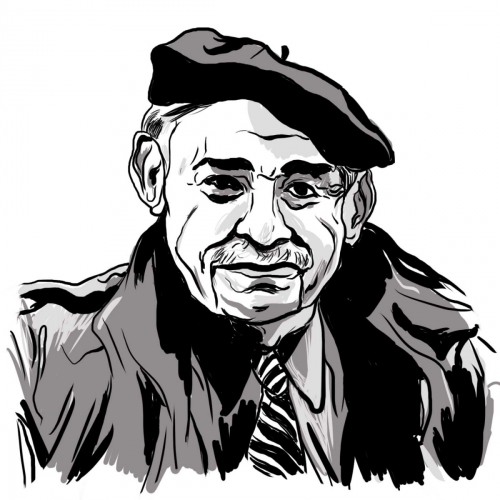
Murray Bookchin était un écologiste radical américain né le 14 janvier 1921 à New York dans le Bronx d'une famille juive révolutionnaire (sa grand-mère fut membre du parti socialiste révolutionnaire) émigré de Russie en 1905. Après avoir milité dans la Ligue des Jeunes Communistes des États-Unis, et dans le mouvement trotskiste, mais aussi militant syndical, il développe une vue particulière de l'écologisme radical jusqu'à élaborer la théorie du municipalisme libertaire (voir à ce sujet son livre : Pour un municipalisme libertaire, Lyon, éd. Ateliers de Création libertaire, 1er janvier 2003.)



 C’est pour rompre avec cet obscurantisme officiel que j’invite le lecteur à parcourir quelques extraits du premier chapitre de l’excellente étude de l’historien britannique Norman Cohn, Les Fanatiques de l’Apocalypse (1957). Au travers du cas particulier du millénarisme antique et médiéval, on peut aisément s’apercevoir que la religion n’est pas une force transhistorique flottant au-dessus de la vie sociale, mais au contraire un produit de l’activité des hommes, fluctuant dans les remous de l’Histoire.
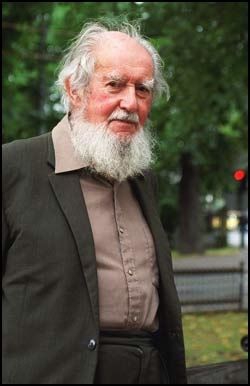 « Déjà les livres prophétiques de l’Ancien Testament, dont certains remontent au VIIIème siècle, décrivaient une immense catastrophe cosmique, dont émergeraient une Palestine qui ne serait rien de moins qu’un nouvel Éden, un paradis reconquis. Ayant négligé son Dieu, le peuple élu devait connaître la famine, la peste, la guerre et la captivité, avant d’être soumis à un jugement qui, par sa sévérité, effectuerait une rupture totale avec un passé coupable. D’abord viendra le Jour de Jéhovah, le jour de colère. Le soleil, la lune et la étoiles seront enveloppés de ténèbres, les cieux se replieront comme un parchemin qu’on roule, et la terre tremblera. Alors sonnera l’heure du Jugement qui verra les mécréants (c’est-à-dire les élus qui n’auront pas eu foi dans leur Seigneur et les païens, ennemis d’Israël) jugés et éliminés, sinon totalement anéantis. Mais ce ne sera pas tout : certains Juifs, « les restes salvifiques », survivront à ces châtiments et deviendront l’instrument des desseins de Dieu. Le peuple élu ainsi amendé et régénéré, Jéhovah renoncera à sa vengeance et se muera en Libérateur. Les Justes […] se regrouperont en Palestine et Jéhovah viendra s’établir parmi eux. Il sera leur Seigneur et leur Juge. Il régnera sur Jérusalem reconstruite, sur Sion devenue capitale spirituelle du monde, vers laquelle convergeront tous les peuples. […]
 On retrouve là l’essentiel de ce qui allait devenir le thème central de l’eschatologie révolutionnaire. L’univers est dominé par une puissance maléfique et tyrannique dont la capacité de destruction est infinie, puissance d’ailleurs conçue comme surhumaine et démoniaque. Sous cette dictature, les outrages se multiplient, les souffrances des victimes deviennent de plus en plus intolérables, jusqu’à ce que sonne l’heure où les saints de Dieu seront à même de se dresser pour l’abattre. Alors les saints eux-mêmes, le peuple élu, ce peuple saint, qui n’a cessé de gémir sous le joug de l’oppresseur, héritera à son tour de l’hégémonie universelle. Ce sera l’apogée de l’histoire. Le Royaume des Saints surpassera en gloire tous les règnes antérieurs : bien plus, il n’aura pas de successeurs. C’est par cette chimère que l’apocalyptique juive et ses nombreux dérivés, devaient exercer une incomparable fascination sur tous les insurgés, sur tous les mécontents à venir. » (p.16-19)
 « Au IIIème siècle eut lieu la première tentative visant à discréditer les doctrines chiliastiques : Origène, le plus influent peut-être des théologiens de l’Église, assure en effet que l’avènement du Royaume se situera non pas dans l’espace et dans le temps, mais uniquement dans l’âme des fidèles. A une eschatologie millénariste collective, il substitue donc une eschatologie de l’âme individuelle. […] De fait, ce déplacement d’intérêt répond admirablement aux besoins d’une Église désormais organisée, jouissant d’une paix pratiquement ininterrompue et d’un statut universellement admis. Lorsqu’au IVème siècle, le christianisme établit son hégémonie sur le monde méditerranéen et devint la religion officielle de l’Empire, l’Église prit de plus en plus nettement ses distances à l’égard des théories chiliastiques. L’Église catholique, institutionnalisée, puissante et prospère, suivait une routine solidement établie, et ses responsables n’éprouvaient aucune envie de voir les chrétiens se cramponner à des rêves démodés et trompeurs d’un nouveau paradis terrestre. Au début du Vème siècle, saint Augustin élabora la doctrine correspondant à ces circonstances nouvelles. La Cité de Dieu explique que l’Apocalypse doit être interprétée comme une allégorie spirituelle. Quant au millénium, la naissance du christianisme en avait marqué l’avènement et l’Église en était la réalisation sans faille. Cette théorie prit rapidement valeur de dogme, au point que le Concile d’Éphèse (431) condamna la croyance au Millénium comme une superstition aberrante. » (p.32)
 « Cet état de choses se mit à évoluer à partir du XIème siècle, plusieurs régions d’Europe bénéficiant d’une paix assez durable pour permettre l’accroissement de la population et l’essor du commerce. […] Dès le XIème siècle, le Nord-Est de la France, les Pays-Bas et la vallée du Rhin avaient atteint une densité de population telle que le système agricole traditionnel se révélait incapable d’en assurer la subsistance. Nombre de paysans se mirent à défricher des forêts, des marécages et des franges côtières, ou prirent la route de l’Est pour participer à la grande colonisation allemande des terres slaves : ces pionniers eurent généralement la vie plus facile. Restaient de nombreux paysans sans terre, ou que leur lopin ne suffisait pas à nourrir : il leur fallait donc se débrouiller tant bien que mal. Une partie de cette population excédentaire alla grossir les rangs du prolétariat rural. D’autres affluèrent dans les nouveaux centres urbains et industriels pour donner naissance à un prolétariat urbain. » (p.48)

 del.icio.us
 Digg
Digg Facebook


 Qu’est-ce d’abord qu’une « guerre civile » ? Arrêtons-nous sur le premier terme, celui de « guerre ». La notion de conflit armé ne se trouvant définie véritablement dans aucune des conventions pertinentes du droit international (ainsi que dans les trois protocoles additionnels de 1977 et 2007), la jurisprudence en a donné la définition suivante: « Un conflit armé existe chaque fois qu’il y a recours à la force armée entre Etats ou un conflit armé prolongé entre les autorités gouvernementales et des groupes armés organisés ou entre de tels groupes armés au sein d’un Etat » (3). Il est généralement admis que la guerre est un conflit violent, mettant en scène deux ou plusieurs protagonistes, lesquels sont des Etats souverains, des organisations internationales mandatés ou encore des coalitions internationales, possédant tous une personnalité juridique reconnue. Le père de la polémologie, Gaston Bouthoul (photo), définit pour sa part la guerre comme « un ensemble d’actes violents et sanglants, conduit avec méthode et organisation, limitée dans le temps comme dans l’espace ; par ailleurs, si la guerre suit des règles juridiques précises, celles-ci sont néanmoins variables en fonction des époques et des lieux » (4).
  Enfin, nous dit Eric Werner, il ne peut y avoir « guerre civile » que lorsque nous sommes en présence de deux ou trois factions au plus. S'il n'y a pas « guerre civile » poursuit Werner, c'est paradoxalement parce que les antagonismes dans nos sociétés modernes sont multiples mais aussi et souvent artificiels (9), figeant toutes possibilités d'affrontements sur le « modèle » qu'est la guerre civile. C'est la raison pour laquelle justement, nous dit cet universitaire, nous sommes dans une situation « d'avant-guerre civile » (10).
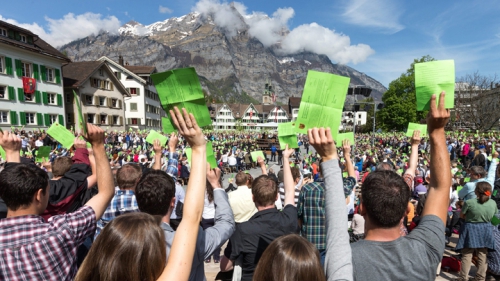
 Russie Unie a choisi d’en passer par les primaires pour recruter des candidats solides et des leaders d’opinion qui pourraient réaliser de meilleurs résultats que des membres du parti qui, eux, sont promus par les autorités locales mais n’ont pas forcément les faveurs de l’électorat.
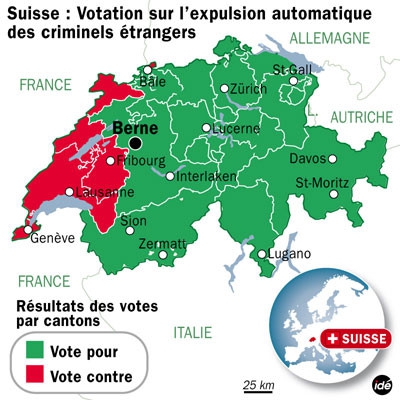 La participation aux multiples discussions publiques autour des référendums et des initiatives populaires génère une vie sociale intense. Autrement dit, l'octroi de droits politiques, même partiels et sectoriels aux immigrés, favoriserait et accélérerait leur intégration sociale.
 Ces différents traits sont liés entre eux, ils s'appellent les uns les autres, ils forment un système, une totalité spécifique. Le consensus est indissociable du fédéralisme et suppose de longues et larges procédures de consultation de tous les principaux acteurs sociaux et politiques concernés par une décision. En Suisse, il est inimaginable de gouverner par décret. Cette politique de consultation généralisée est elle-même liée à la démocratie directe: en consultant le plus d'acteurs possible, on peut éviter un référendum. Le fait de tenir compte des avis les plus différents et opposés débouche, après des discussions généralisées (aspect participatif), sur des
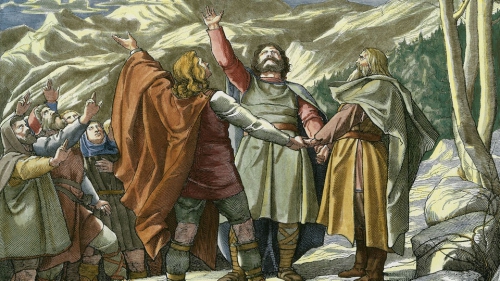
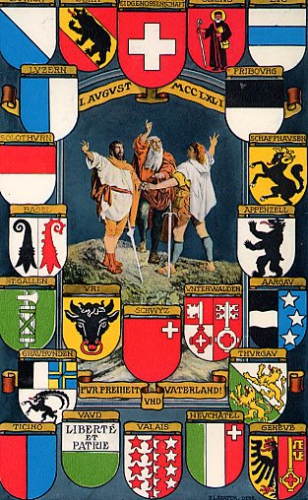 Malgré certaines divergences inévitables, on retrouve la culture de la frontière que tous ressentent, mais qu'ils ont de la peine à définir. Cette culture se développe à partir des interactions intercommunautaires quotidiennes inévitables, interactions qui finissent par créer une mentalité particulière où l'on se sent "entre les deux". Ce qui, ailleurs, tourne en opposition, voire en exclusion, devient ici complémentarité enrichissante. L'expression "barrière de Röstis" est ressentie comme non pertinente car contradictoire avec ce que vivent quotidiennement les gens.

 Des officiels israéliens ont dit également préférer l’État islamique (Daech) à l’Iran. Évidemment, le terrorisme islamiste supervisé par les services spéciaux israéliens, anglo-saxons, français, ne s’arrête pas aux frontières du Proche-Orient : le suivi des filières est assuré jusqu’en Europe et en Amérique, où ces services spéciaux sont carrément chez eux, dans une perspective de stratégie de la tension, en référence au réseau Gladio de l’OTAN. À la fin, pour des raisons d’efficacité, les attentats en Occident sont réalisés par les services occidentaux eux-mêmes, mais attribués dans la narration officielle médiatique aux individus qui ont effectivement fréquenté des groupes activistes et possèdent donc le bon parcours biographique, ce qui en fait des coupables idéaux. Un principe de l’attentat sous faux drapeau : pour écrire une « légende », c’est-à-dire un faux CV dans le jargon du renseignement, il faut un minimum de vraisemblance. Le terrorisme d’État est aujourd’hui le principal bras armé de ce conflit triangulé généralisé.
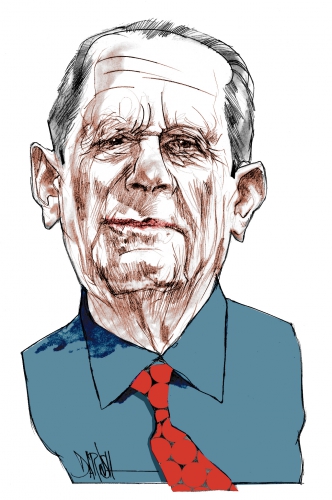 Nel 1945 il grande industriale tedesco Friedrick Flick, che aveva fondate ragioni di credere di venire accusato dagli alleati per la collaborazione a guerra d’aggressione, richiese a Carl Schmitt un parere per la difesa da tale (eventuale) accusa. Accusa che non venne mai mossa a Flick, il quale fu tuttavia condannato per un “capo d’imputazione” diverso: lo sfruttamento di manodopera straniera deportata dalle S.S..
 Schmitt valuta queste tre classi alla luce sia del “politico” che dei principi dello jus publicum europaeum. In primo luogo se la guerra è, nel sistema westphaliano, non solo un fatto pubblico ma che presuppone la distinzione tra pubblico e privato, allora non può farsi carico a un privato (come Flick) di aver concorso ad una guerra di aggressione.
 Schmitt è stato uno dei maggiori interpreti della crisi del XX secolo; la sua peculiare concezione del diritto ha fatto si che lui, giurista come si considerò sempre fino alla morte – ma come tutti i grandi giuristi portatore di una visione che trascende il mero orizzonte giuridico – sia stato in Italia apprezzato prevalentemente come politologo e filosofo della politica.
 In particolare il potere costituente ha generato una prassi per il cambiamento di costituzione: “ogni rivoluzionario di professione ha imparato a maneggiarle: si destituisce il governo legale esistente, si convoca un «governo provvisorio» e si indice un’assemblea nazionale costituente… attraverso rivoluzioni grandi e piccole, europee e non europee, è sorta nell’arco di due secoli una prassi legittimante nella legalizzazione del colpo di stato e delle rivoluzioni”. Tuttavia è “difficile immaginare il trasferimento di un potere costituente dalla nazione all’umanità…L’organizzazione attuale della pace mondiale non è utile solo all’unità, ma anche allo status quo dei suoi numerosi membri sovrani. Dovremmo forse prospettarci un’assemblea plenaria dell’ONU p almeno una seduta del Consiglio di sicurezza che si svolga similmente a quella della notte del 4 agosto 1789, in cui i privilegiati rinunciarono festosamente a tutti i loro privilegi feudali?”.
 It is not enough to view intellectuals as the makers of political change through their transmutation of culture. It is also necessary to consider the state and the elite who will rule it. Politics becomes impossible to conduct without the type of hardworking, ruthless, and ambitious people who generally make up the political class.
 His books of greatst interest are The Machiavellians and The Managerial Revolution. The first one is mainly about the political theories of a number of thinkers who Burnham considered to be a part of what he called the Machiavellian tradition. The main argument of the book is that politics, defined as a struggle for power, can never be removed from human existence. In every society, there must be one group of people who rule, and one group who is the subject of that rule. In the second book, Burnham makes the case that a revolution is well under way, but not the type of revolution which is often advocated by the Left. The managerial revolution is taking place within the bureaucracy of the modern state, and is the revolution of the managers, at the expense of other forms of leadership.
 When it comes to Dante, Burnham goes on to place his seemingly independent normative principles in their proper context. He shows that Dante had been involved in an extensive and lengthy conflict between the Ghibelline and the Guelph factions. Dante and the faction to which he belonged lost to their rivals, and he went to the Holy Roman Emperor to ask for his support. When these facts were presented, it became quite clear that Dante had put forward his principles with the hope of winning the good graces of the Emperor, and thus attempted to justify his rule. That is the true meaning of De Monarchia, as Burnham sees it.
 It is important not to overlook the importance of the managerial state, and the importance of the state in general. It is not enough to merely philosophise; there needs to be a political elite and a physical structure which underpins this elite. We can take Sweden as an example. Sweden took a turn toward the Left during the 1960s and never really recuperated. This was not achieved solely through the work of intellectuals and Leftist philosophical theories. What happened in addition to this was that a large number of people were recruited to work as functionaries and civil servants in the ever-growing state machinery. Social workers, teachers, and administrators were recruited and formed a bureaucracy the like of which Sweden had never experienced before. They became the new class of managers. Regardless of what kind of government gets elected, this establishment stays more or less the same.
 Prenons un récent exemple, que nous développerons sans doute dans une prochaine note : qui aurait pu croire que le lion d'Espagne,
  Je commencerai par la critique la plus féroce, capable sans doute de porter un coup fatal à l'exercice biographique auquel Stéphane Giocanti s'est livré, puisque Pierre Boutang, comme il ne cesse d'ailleurs de nous le répéter, non seulement était un homme du secret, mais, une fois pour toute, a dit tout ce qu'il pouvait dire sur lui-même dans son
  Cette pesante insistance de Stéphane Giocanti sur la sexualité débridée de Pierre Boutang, considéré comme «une espèce d'ogre du lit, des soupentes et des porches» (p. 245), taraudé selon son biographe par le «démon qui va le distraire du regard intérieur de la mort et de la mélancolie de la pensée» (p. 66), est finalement la petite lorgnette commode par laquelle le secret fondamental de l'auteur n'est qu'à peine entrevu. Ce secret est peut-être bien réel après tout, mais, prudemment, Stéphane Giocanti, ne fait que l'évoquer dans les pages denses, parfois quelque peu confuses ou anecdotiques (4), qu'il consacre au rôle et à l'action politique de Boutang, surtout pendant la Guerre d'Algérie. Quel a été le rôle exact de Pierre Boutang dans la volonté de s'allier aux gaullistes pour favoriser le retour d'un Roi au pouvoir et, aussi, dans l'assassinat de Darlan, aux abords du trouble personnage qu'était Henri d'Astier de La Vigerie ? : «Un secret qui, sous le soleil d'une épopée paternelle, ne saurait être connu que de lui-même» (p. 111). Stéphane Giocanti se tait (a raison de se taire) et conclut sobrement : «En tout et pour tout, Boutang aura été chef d'un cabinet ministériel pendant deux mois et demi. L'aventure auprès de Jean Rigault, d'Astier, du comte de Paris, d'Alfred Pose et d'autres conspirateurs laissera des traces durables dans sa vie et sa pensée», notamment l'idée, commune à un Dominique de Roux qu'appréciera Boutang (cf. p. 272), selon laquelle «des minorités agissantes peuvent faire pencher la balance de l'histoire, et réintroduire l'idée monarchique dans le jeu des forces politiques» (p. 117). En tout cas, les pages évoquant l'évolution politique de Pierre Boutang (cf. p. 199) sont peut-être les plus intéressantes de la biographie de Stéphane Giocanti, qui s'efforce, non sans mal, d'expliquer la relation qu'entretint le penseur et bretteur avec le général de Gaulle.
 Il y a plus, mais nous nous aventurons là dans un territoire que Pierre Boutang, plutôt qu'il ne l'a vraiment arpenté, n'a fait qu'entrevoir au loin, contrée où seul il peut s'aventurer, sous le regard de Dieu dont il se pressent ou se sait l'espion (6) : «Je sens en moi», écrit-il ainsi, «l'épreuve d'une «élection» divine aussi inexplicable que celle du peuple juif» (p. 287, Cahier 10, 3 septembre 1973, p. 15). C'est peut-être supposer, au-delà même d'un secret et de l'obliquité, de «la part d'ombre», corollaire indispensable d'une sorte de «tenue du langage qui comporte la tension de la recherche métaphysique, avec la volonté de ne pas trop céder au dévoilement» (p. 48), un rôle que nul ne peut sonder, puisqu'il entre dans les seules raisons, impénétrables, de Dieu. Ce serait aussi postuler l'existence de plus d'un point commun entre Pierre Boutang et Léon Bloy (cf. p. 391), dont Stéphane Giocanti nous assure qu'il a été proche, par la pensée bien sûr, durant ses dernières années de vie. Ce ne serait donc pas simplement Pierre Boutang qui pourrait rêver «d'une parole qui serait l'instrument de la colère de Dieu», ce ne seraient pas seulement ses propres colères qui serviraient les «causes, les vérités ou les valeurs auxquelles il tient par-dessus tout» et que Giocanti rappelle («la France, l'honneur, la foi chrétienne», la «liberté intérieure, le roi, l'exigence de la plus haute culture», p. 345), c'est son âme tout entière qu'il faudrait rêver de pouvoir placer sous la lumière d'une enquête métaphysique qui parviendrait à rattacher ce fabuleux et héroïque destin à celui d'Adam (7), qui fascina durant presque toute sa vie Pierre Boutang.
 Is het tegenwoordig nog wel mogelijk de opvattingen van politiek links en de tegenhangers ter rechterzijde nog enigszins samen te vatten of zelfs te begrijpen? Het lijkt erop dat in het verlengde van het Amerikaanse propagandaverhaal van Francis Fukuyama, die de overwinning van de liberale democratieën verkondigde, enkel nog maar bewegingsruimte is binnen de beperkte reikwijdte van deze liberale democratie. Omdat het model van de liberale democratie, zeker in West-Europa en de V.S.A., als overwinnaar uit de bus is gekomen en vanaf het einde van de Tweede Wereldoorlog de politieke werkelijkheid domineert. Alle invloedrijke ideologieën, liberalisme, socialisme en christen-democratisme, zijn gericht om het te maken binnen dit restrictieve kader.
 For instance, Franz Neumann’s large book, Behemoth, which is a Marxian analysis of the economics of National Socialist Germany, was one of the few works of economics that was ever written that came out of the Frankfurt School. Most of it was concerned with cultural critique and critical cultural theory involving very outlandish areas such as sociology of music, which was a particular area of Adorno’s concern.
 But anyway, Adorno and Horkheimer aren’t just seeing that Fascism is some reaction of capitalist forces against the Communist wave or something like that. They’re seeing Fascism as coming out of a bourgeois world, and they’re seeing something really wrong at the heart of bourgeois modernity, and I think they picture this in the form of Odysseus who wants to be bound at the mast and is going to renounce man’s more natural being and instead embrace a stern, hard modern man. There’s a world to be made, and we’ve got to go build it.


 Les quatre visions ne sont, du reste, pas incompatibles (l'on peut, par exemple, penser que les hommes bricolent des pseudo-explications avec des faits pour légitimer des valeurs, parce qu'ils sont victimes d'une fausse conscience...). Il est permis de penser qu'elles ont toutes leur part de vérité, dans la mesure où elles décrivent le rôle des idéologies. Une idéologie, ce n'est pas seulement une idée à laquelle on peut adhérer ou pas, ce n'est même pas un corpus, un ensemble de notions et affirmations ayant une relation de cohérence entre elles, c'est un code : une machine à produire de nouvelles interprétations conformes aux finalités du modèle. Une idéologie permet tout à la fois de rêver, de croire que l'on possède une explication du monde, de s'imaginer que l'on échappe à l'idéologie (c'est une différence avec la foi : chacun dit "je le crois parce que c'est ma religion", personne ne dit "je le crois parce que c'est mon idéologie"). Enfin l'idéologie sert à rentrer dans une communauté (avec tous ceux qui partagent la même vérité que vous) et, ce n'est peut-être pas le moins important, à se faire des ennemis. Où au moins à désigner le mal : l'idéologie adverse. Toute idéologie est en effet une "pensée contre" qui s'oppose aux idées mauvaises ou fausses (ce qu'elle nomme justement "idéologies"), ne vit que dans le conflit avec elle et avec une autre communauté de croyants et se condamne par là même à convaincre sans cesse, à augmenter les nombre de ses adhérents (au détriment de l'erreur et du mal). Du reste on reconnaît assez bien un discours idéologique à ceci qu'il explique qu'il faut se battre pour libérer l'humanité du poison des idéologies perverses : néolibéralisme, nationalisme archaïque, islamisme, tiers-mondisme anti-américain, utopisme altermondialisme, populisme sécuritaire fascisant suivant le cas..

 Het onderwerp scheiding der machten is actueler dan ooit, nu dat kostbare beginsel weer moet worden verdedigd tegen de her en der dreigende sharia. In zijn hoofdwerk, De l’Esprit des Lois (Over de geest van de wetten) staat het bewuste principe centraal, net zoals dat van de checks and balances (zoiets als controles en waarborgen). Veelal getypeerd als een liberaal geeft Montesquieu in De l’Esprit aan dat hij na rijp beraad kiest voor een gematigde regering, gematigd door middel van de scheiding van de wetgevende, uitvoerende en rechterlijke macht. Liefst dan nog een regering waarin de adel een belangrijke rol vervult. Die machtenscheiding en de checks and balances liggen aan de basis van de Amerikaanse constitutie en die van een pak andere democratische landen, zonder die adel dan.
 Montesquieu zet zijn lezers vaak op het verkeerde been. Allicht verwijst de kwalificatie ‘enigmatisch’ in de titel hiernaar. Zo lezen we in de bijdrage van Jean-Marc Piret dat Montesquieu best kan leven met cliëntelisme, het uitdelen van postjes, waarbij de uitvoerende macht steun zoekt tegen de wetgevende kamers in. Wie geen voordelen uit die hoek hoeft te verwachten, zal dan weer zijn hoop op één van beide kamers stellen. Risico is daarbij dat teleurstelling mensen kan doen overlopen naar de tegenpartij. Schaamteloos opportunisme ? Volgens Montesquieu, die zich geen illusies maakt over hoe het er in de politiek toegaat, is dit juist een teken van de ‘pluralistische vitaliteit van de maatschappij’.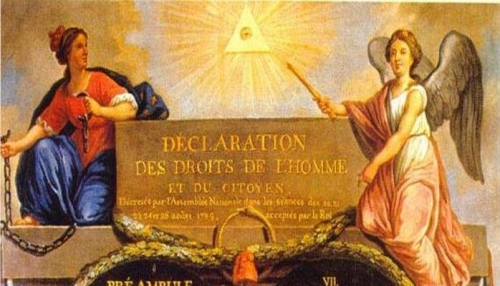
 Jean-Yves Pranchère : L’initiative est venue de Justine Lacroix, qui s’est engagée il y a six ans dans le projet d’une étude des résistances contemporaines aux droits de l’homme ; elle en a exposé les attendus dans deux articles programmatiques,

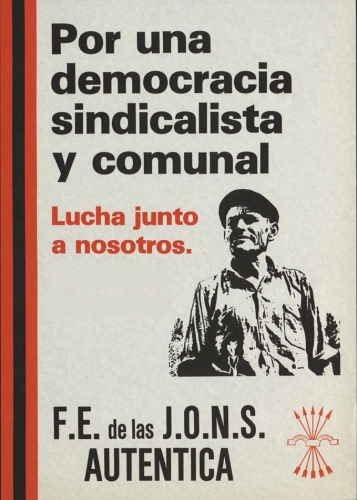 Si bien es verdad que en la Falange más embrionaria y en los primeros pasos de José Antonio en ésta se puede observar un marcado antimarxismo considerado por algunos como un "residuo" de su pasado monárquico y reaccionario, esta característica fue progresivamente desapareciendo y llegó a declarar en el diario La Voz de Madrid el 14 de febrero de 1936: "Los antialgo, sea lo que sea este algo, se me presentan imbuidos de reminiscencia del señoritismo español, que se opone irreflexiva, pero activamente, a lo que él no comparte. No soy ni antimarxista siquiera, ni anticomunista, ni... antinada. Los anti están desterrados de mi léxico como si fueran tapones para las ideas".
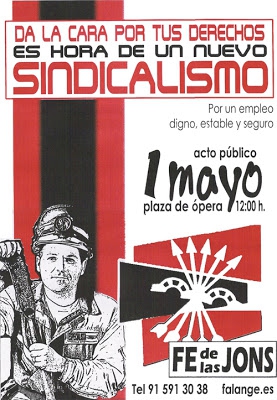 Además de aceptar, como era de esperar, las teorías marxistas sobre el devenir del capitalismo -¿Acaso no se han cumplido la gran mayoría, si no todas, las "profecías" marxistas sobre el capitalismo?- José Antonio recogió de Marx, también, la crítica a la propiedad capitalista. Prueda de ello fueron aquellas palabas de Primo de Rivera en 1935,"Pensad a lo que ha venido a quedar reducido el hombre europeo por obra del capitalismo. Ya no tiene casa, ya no tiene patrimonio, ya no tiene individualidad, ya no tiene habilidad artesana, ya es un simple número de aglomeraciones. [...] La propiedad capitalista es fría e implacable: en el mejor de los casos, no cobra la renta, pero se desentiende del destino de los sometidos. [...]mientras que ahora se muere un obrero y saben los grandes señores de la industria capitalista que tienen cientos de miles de famélicos esperando a la puerta para sustituirle. Una figura, en parte torva y en parte atrayente, la figura de Carlos Marx, vaticinó todo este espectáculo a que estamos asistiendo, de la crisis del capitalismo. Ahora todos nos hablan por ahí de si son marxistas o si son antimarxistas. Yo os pregunto, con ese rigor de examen de conciencia que estoy comunicando a mis palabras: ¿Qué quiere decir el ser antimarxista? ¿Quiere decir que no apetece el cumplimiento de las previsiones de Marx? Entonces estamos todos de acuerdo. ¿Quiere decir que se equivocó Marx en sus previsiones? Entonces los que se equivocan son los que le achacan ese error. Las previsiones de Marx se vienen cumpliendo más o menos de prisa, pero implacablemente. Se va a la concentración de capitales; se va a la proletarización de las masas, y se va, como final de todo, a la revolución social, que tendrá un durísimo período de dictadura comunista. [...]también el capitalismo es internacional y materialista. Por eso no queremos ni lo uno ni lo otro; por eso queremos evitar –porque creemos en su aserto– el cumplimiento de las profecías de Carlos Marx. Pero lo queremos resueltamente; no lo queremos como esos partidos antimarxistas que andan por ahí y creen que el cumplimiento inexorable de unas leyes económicas e históricas se atenúa diciendo a los obreros unas buenas palabras y mandándoles unos abriguitos de punto para sus niños. Si se tiene la seria voluntad de impedir que lleguen los resultados previstos en el vaticinio marxista, no hay más remedio que desmontar el armatoste cuyo funcionamiento lleva implacablemente a esas consecuencias: desmontar el armatoste capitalista que conduce a la revolución social, a la dictadura rusa. Desmontarlo, pero ¿para sustituirlo con qué?[...]". (4)
 Deux remarques préliminaires paraissent nécessaires au lecteur qui veut aborder la prose, de style parfait, dégagé de toute fioriture académique, de l’auteur… qui est l’un des rares penseurs politiques français du moment à être intéressant et original.
 Heel wat politici, filosofen en gewone burgers eisen van de overheid meer transparantie in het politiek bedrijf. Het lijkt wel het tovermiddel om onze democratie sterker en efficiënter te maken. En de politiek speelt daar ook op in. Nieuwe parlementsgebouwen worden gebouwd met grote glaspartijen als figuurlijk, maar ook letterlijk symbool van de gezamenlijke wil om te komen tot transparantie. Burgers krijgen zo bijna letterlijk inzage in de parlementaire werking en de verkozenen van het volk zien als het ware hoe de burgers op hen toekijken. Dus geen beslissingen meer in duistere achterkamertjes maar openbare debatten die dan via televisie en het internet gevolgd kunnen worden door al wie interesse heeft. Transparantie wordt ook geëist van zowat alle burgers om aan te tonen dat ze ‘niets te verbergen hebben’ en daarom figuurlijk doorzichtig moeten zijn. Leve de transparantie dus. Maar tegen die trend in schreef de Nederlandse hoogleraar Bestuurskunde Paul Frissen het boek Het geheim van de laatste staat waarin hij kritiek geeft op de transparantie en pleit voor het fundamentele recht van de burger op geheimen als één van de waarborgen van zijn vrijheid.
 Here is where German intellectuals come into the story. Journalists and academics have had a hard time understanding why the Pegida movement emerged when it did and why it has attracted so many people in Germany; there are branches of the Pegida movement in other parts of Europe, but they have gathered only marginal support thus far. Those who suggest it is driven by “anger” and “resentment” are being descriptive at best. What is remarkable, though, is that “rage” as a political stance has received the philosophical blessing of the leading AfD intellectual, Marc Jongen, who is a former assistant of the well-known philosopher Peter Sloterdijk. Jongen has not only warned about the danger of Germany’s “cultural self-annihilation”; he has also argued that, because of the cold war and the security umbrella provided by the US, Germans have been forgetful about the importance of the military, the police, warrior virtues—and, more generally, what the ancient Greeks called thymos (variously translated as spiritedness, pride, righteous indignation, a sense of what is one’s own, or rage), in contrast to eros and logos, love and reason. Germany, Jongen says, is currently “undersupplied” with thymos. Only the Japanese have even less of it—presumably because they also lived through postwar pacifism. According to Jongen, Japan can afford such a shortage, because its inhabitants are not confronted with the “strong natures” of immigrants. It follows that the angry demonstrators are doing a damn good thing by helping to fire up thymos in German society.
 Like in Nietzsche’s On the Genealogy of Morality—a continuous inspiration for Sloterdijk—these re-descriptions are supposed to jolt readers out of conventional understandings of the present. However, not much of his work lives up to Nietzsche’s image of the philosopher as a “doctor of culture” who might end up giving the patient an unpleasant or outright shocking diagnosis: Sloterdijk often simply reads back to the German mainstream what it is already thinking, just sounding much deeper because of the ingenuous metaphors and analogies, cute anachronisms, and cascading neologisms that are typical of his highly mannered style.
  Sloterdijk is not the only prominent cultural figure who willfully reinforces a sense of Germans as helpless victims who are being “overrun” and who might eventually face “extinction.” The writer Botho Strauβ recently published an essay titled “The Last German,” in which he declared that he would rather be part of a dying people than one that for “predominantly economic-demographic reasons is mixed with alien peoples, and thereby rejuvenated.” He feels that the national heritage “from Herder to Musil” has already been lost, and yet hopes that Muslims might teach Germans a lesson about what it means to follow a tradition—because Muslims know how to submit properly to their heritage. In fact, Strauβ, who cultivates the image of a recluse in rural East Germany, goes so far as to speculate that only if the German Volk become a minority in their own country will they be able to rediscover and assert their identity.
  Like at least some radicals in the late Sixties, the new right-wing “avant-garde” finds the present moment not just one of apocalyptic danger, but also of exhilaration. There is for instance Götz Kubitschek, a publisher specializing in conservative nationalist or even outright reactionary authors, such as Jean Raspail and Renaud Camus, who keep warning of an “invasion” or a “great population replacement” in Europe. Kubitschek tells Pegida demonstrators that it is a pleasure (lust) to be angry. He is also known for organizing conferences at his manor in Saxony-Anhalt, including for the “Patriotic Platform.” His application to join the AfD was rejected during the party’s earlier, more moderate phase, but he has hosted the chairman of the AfD, Björn Höcke, in Thuringia. Höcke, a secondary school teacher by training, offered a lecture last fall about the differences in “reproduction strategies” of “the life-affirming, expansionary African type” and the place-holding European type. Invoking half-understood bits and pieces from the ecological theories of E. O. Wilson, Höcke used such seemingly scientific evidence to chastise Germans for their “decadence.”
 Net als Carl Schmitt (1888-1985) voert Chantal Mouffe de differentia specifica van het politieke terug op het onderscheid tussen vriend en vijand; oftewel tot de altijd aanwezige mogelijkheid van vijandelijkheid in intermenselijke relaties. Mouffe zegt niet dat alle sociale relaties noodzakelijk antagonistisch zijn, maar dat de mogelijkheid van conflict en vijandigheid in elke relatie op elk moment aanwezig is. Het politieke heeft altijd te maken met conflict en antagonisme, het gaat altijd gepaard met de formatie van een ‘wij’ versus een ‘zij’. In de discourstheorie van Laclau en Mouffe heet dit equivalentielogica: het opdelen van de sociale ruimte door betekenissen en identiteiten te comprimeren tot twee antagonistische polen.
 Wat een radicale democratie à la Laclau en Mouffe onderscheidt van de moderne politieke projecten, is dat ze niet van een realiseerbare telos uitgaat, maar van het besef dat elk sociaal project onvolmaakt en conflictueel zal blijven. Het streven naar een volledig democratische maatschappij, waarin alle mensen volledig vrij zijn omdat ze volledig gelijk zijn, en vice versa, veronderstelt een volledige transparantie. Het veronderstelt een samenleving zonder spanningen en repressie, die dus alle conflicten onderdrukt. [11] Zo’n harmonieuze democratie zou een totalitaire nachtmerrie zijn. Bij Laclau en Mouffe wordt de mogelijkheid om het finale doel te realiseren verlaten, zelfs als louter regulatief idee. Er is trouwens geen reden om dat te betreuren. Integendeel, het is de garantie dat het democratisch-pluralistisch proces aan de gang blijft. Het is door de liberale rechten samen met volkssoevereiniteit te articuleren, dat we vermijden dat de democratie tiranniek wordt. Een ideale, vrije en gelijke democratische samenleving is er noodzakelijk een zonder pluralisme, want pluralisme veronderstelt dat de sociale orde en haar machtsrelaties kunnen worden gecontesteerd. Een samenleving zonder machtsrelaties (het einde van de politiek) is evenmin mogelijk, want het zijn precies de machtsrelaties die de sociale orde constitueren. Laclau en Mouffe vertrekken dus van een niet-reduceerbare, pluralistische sociale orde; en dit betekent dat de finale sociale orde nooit bereikt wordt. Niet alleen de individuen verkeren in de onmogelijkheid om hun identiteiten te finaliseren; ook de samenleving als zodanig is nooit af.
 De ideologische tegenstellingen tussen de gevestigde partijen is in de loop van het laatste decennium alsmaar kleiner geworden, waardoor het steeds moeilijker is om partijen en politici in hun optreden en standpunten te onderscheiden. Ideologische beginselen boeten aan belang in, terwijl politiek pragmatisme en consensuspolitiek op de voorgrond treden. In de consensuspolitiek van het centrum, zegt ook de Sloveense filosoof Slavoj Zizek, moet elke fundamentele belangentegenstelling plaats ruimen voor een vrijmoedig geloof in een politiek zonder ware tegenstanders, en zonder enige subversiviteit. [12] Eens beyond left and right lossen sociale tegenstellingen vanzelf op en bieden er zich politieke oplossingen aan die kennelijk voor iedereen goed zijn. Bij gebrek aan een reële politieke strijd, onderscheiden politieke partijen zich enkel nog door culturele attitudes. De politieke strijd wordt herleid tot een belangencompetitie op neutraal terrein, met als enige doel het bereiken van compromissen en het aggregeren van voorkeuren. Om fundamentele belangenconflicten te omzeilen, weigert men om duidelijke politieke grenzen te trekken. Daarmee wordt de integratieve rol van conflict in de moderne democratie genegeerd. [13]
 Dienen we de kritiek van Chantal Mouffe op te vatten als een ultieme oproep om het cordon sanitaire in Vlaanderen dan toch maar op te doeken? Dat valt te betwijfelen. Waar het Mouffe om te doen is, is laten zien wat het ons heeft opgeleverd, om daaruit conclusies te trekken. Het probleem is overigens niet dat mensen uit zijn op conflict omwille van het conflict. Het probleem is dat, door het gebrek aan een sociale horizon, bepaalde sentimenten geen uitdrukking vinden binnen het democratisch spectrum. Deze sentimenten moeten democratisch gemobiliseerd worden; en daarvoor moeten de democratische partijen een sociale horizon projecteren die mensen uitzicht biedt op een andere en betere toekomst.